Pizza is one of the most popular foods around the world, but people often disagree about one important question: is thin crust or thick crust pizza better? Both styles have their own qualities, and the best choice depends on personal taste, toppings, cooking method, and the type of meal you want to enjoy.
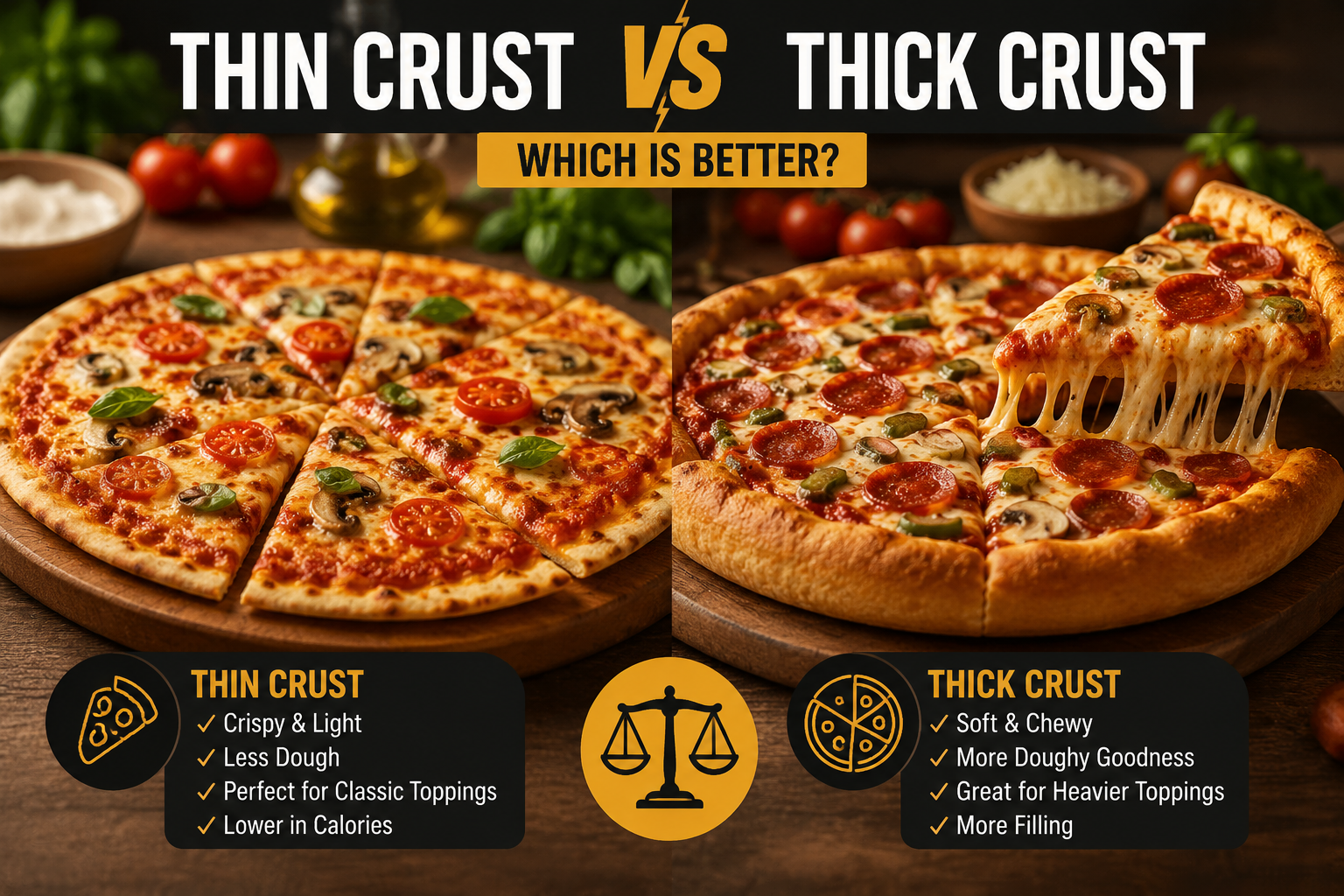
Thin crust pizza is known for its crisp texture and lighter bite. It usually has a thinner layer of dough, allowing the sauce, cheese, and toppings to stand out. Thick crust pizza, on the other hand, has more dough and provides a softer, fuller texture. It can hold heavier toppings and is often more filling.
There is no universal answer to which crust is better. Understanding the differences between thin and thick crust pizza can help you choose the right option for your family dinner, party, or homemade pizza night.
What Is Thin Crust Pizza?
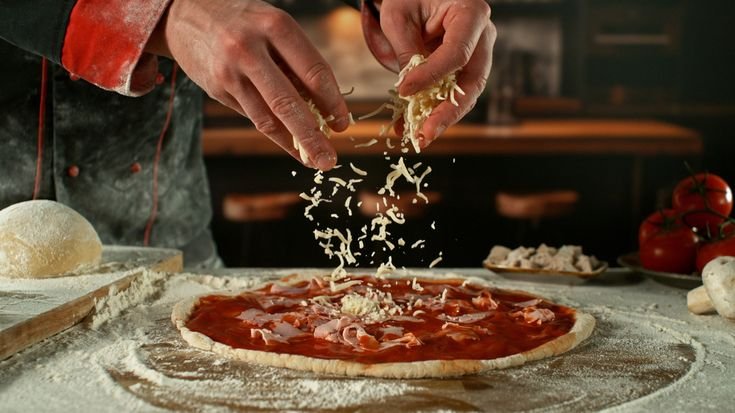
Thin crust pizza is made with a relatively small amount of dough. The dough is rolled or stretched into a thin layer before sauce and toppings are added.
When baked at a high temperature, thin dough can become crisp around the edges and underneath. Depending on the recipe, the center may also remain slightly soft.
Because there is less dough, thin crust pizza usually feels lighter than thick crust pizza.
Thin crust is often preferred by people who want to taste the toppings more than the bread. It also works well when using flavorful ingredients such as vegetables, chicken, herbs, mushrooms, olives, and different cheeses.
What Is Thick Crust Pizza?
Thick crust pizza uses a thicker layer of dough. The crust may be soft and fluffy on the inside while becoming golden and crisp on the outside.
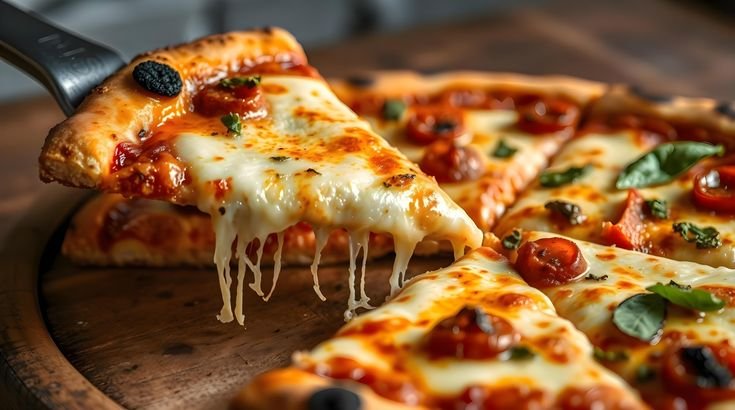
Because there is more dough, thick crust pizza is generally more filling. It can also support heavier toppings without becoming difficult to handle.
Thick crust is a good option for people who enjoy a soft bread-like texture.
Depending on the recipe, thick crust pizza can be baked in a standard pizza pan, deep pan, or cast-iron skillet.
Texture Difference
Texture is one of the biggest differences between the two styles.
Thin crust pizza usually provides a crisp bite. The edges can become crunchy, especially when the pizza is baked at a high temperature.
Thick crust pizza tends to be softer and more substantial. The inside can have a bread-like texture, while the outside becomes golden during baking.
If you enjoy crunch, thin crust may be more suitable.
If you prefer soft and chewy dough, thick crust may be the better choice.
Flavor Difference
The crust itself can affect how the pizza tastes.
Thin crust contains less dough, so the flavors of sauce, cheese, meat, and vegetables are more noticeable.
Thick crust contains more bread, which creates a stronger dough flavor. It can also balance strong toppings because the extra dough provides a neutral base.
Neither style is automatically more flavorful. The difference depends on the ingredients and how the crust is prepared.
Which Crust Is Better for Heavy Toppings?
Thick crust generally works well with heavier toppings.
Ingredients such as chicken, beef, sausage, pepperoni, mushrooms, onions, and extra cheese can be used without making the pizza difficult to handle.
Thin crust can also support toppings, but too many ingredients may make it soft or difficult to bake properly.
If you plan to make a loaded pizza, thick crust can be a practical choice.
Which Crust Is Better for Light Toppings?
Thin crust is often a good choice for light toppings.
For example, a thin crust pizza with tomato sauce, mozzarella, fresh basil, and tomatoes can provide a simple combination where each ingredient is easy to taste.
Thin crust also works well with mushrooms, olives, onions, bell peppers, and lightly seasoned chicken.
Thin Crust and Cooking Time
Thin crust pizza generally cooks faster because there is less dough to heat through.
At a high oven temperature, a thin pizza may be ready within a short period. However, cooking time depends on the oven, dough, toppings, and baking tray.
The crust should be watched carefully because thin dough can become overcooked if left in the oven too long.
Thick Crust and Cooking Time
Thick crust pizza usually requires more cooking time because the center contains more dough.
The oven needs enough time to cook the inside while allowing the outside to become golden.
If the oven temperature is too high and the crust is very thick, the outside may brown before the center is fully cooked.
For homemade thick crust pizza, moderate thickness and proper preheating can help produce better results.
Which Crust Is More Filling?
Thick crust pizza is generally more filling because it contains more dough.
A thick slice can provide a substantial meal even with a moderate amount of toppings.
Thin crust pizza tends to feel lighter. This can be useful when you want to enjoy several slices without having a heavy meal.
The overall amount you eat also matters, so crust thickness alone does not determine how filling a meal will be.
Which Crust Is Better for Families?
For a family dinner, the answer depends on everyone’s preferences.
If some family members enjoy crispy pizza and others prefer soft dough, consider making two different pizzas.
Another option is to make one pizza with a medium-thickness crust. This provides some softness without becoming too heavy.
Homemade pizza makes it easy to experiment with different crust styles.
Thin Crust Pizza for Children
Children have different preferences, but many enjoy a soft crust that is easy to chew.
A thin crust can work well if it is not baked until extremely hard.
Simple toppings such as mozzarella, chicken, corn, or mild vegetables can be combined with a thin crust.
For younger children, make sure toppings are cut into suitable small pieces.
Thick Crust Pizza for Children
Thick crust can also be a good option for children because the soft texture can be easy to eat.
A simple cheese or chicken pizza with a thick crust can make a filling meal.
However, thick crust can be quite substantial, so smaller slices may be enough.
Which Crust Is Easier to Make at Home?
Both styles can be made at home, but thin crust can require less dough preparation.
For thin crust, you usually need to stretch or roll the dough evenly. The goal is to prevent thick areas that cook differently from the rest of the pizza.
Thick crust is more forgiving when it comes to shaping because the dough does not need to be stretched as thin.
However, thick dough needs enough time to rise and cook through properly.
Thin Crust Dough Tips
For a good thin crust, avoid adding excessive flour during kneading.
Allow the dough to rest so it becomes easier to stretch.
Roll the dough evenly and avoid making the center too thin unless that is your preferred style.
Use a hot oven and avoid adding too many wet toppings.
A thin layer of sauce and a moderate amount of cheese can help the crust stay crisp.
Thick Crust Dough Tips
For thick crust pizza, allow the dough enough time to rise.
Place the dough in a lightly oiled baking pan and gently spread it toward the edges.
Do not press all the air out of the dough if you want a soft and airy crust.
Give the dough time to rise again before adding toppings if your recipe requires it.
Make sure the center is fully cooked before removing the pizza from the oven.
Which Crust Works Better With Chicken?
Both crust styles work well with chicken.
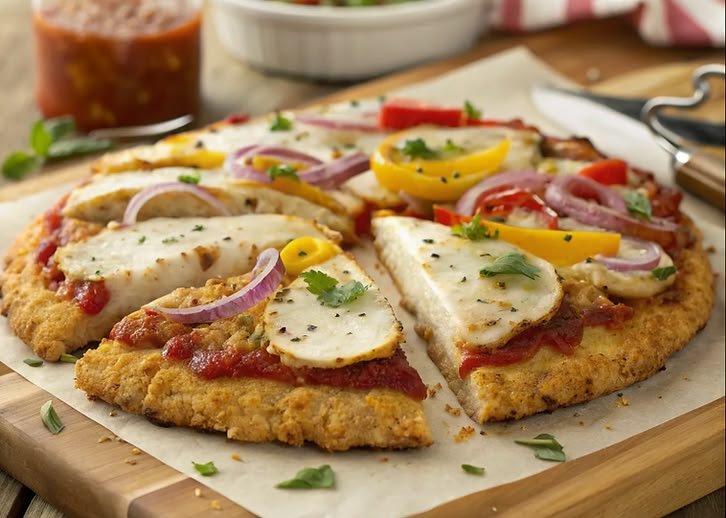
Thin crust chicken pizza is a good option when you want a lighter meal. Chicken can be combined with mozzarella, bell peppers, onions, mushrooms, and a small amount of sauce.
Thick crust chicken pizza works well when you want a more filling meal. It can hold larger amounts of chicken and vegetables.
For barbecue chicken pizza, either crust can work. Thin crust allows the barbecue sauce and chicken to stand out, while thick crust provides a softer base.
Which Crust Works Better With Vegetables?
Thin crust is particularly useful for vegetable pizzas because vegetables can become the main focus.
Mushrooms, onions, tomatoes, bell peppers, spinach, olives, and corn can be arranged over a thin base.
However, vegetables contain water, so avoid using excessive amounts.
Thick crust can also work with vegetables, especially when the vegetables are cooked or drained before being added.
Which Crust Works Better With Extra Cheese?
Thick crust is usually better suited to heavy cheese because the stronger dough base can support it.
Thin crust can also use extra cheese, but too much cheese may increase moisture and make the center soft.
If you want a cheesy thin crust, use a moderate amount and bake at a high enough temperature to cook the crust properly.
Thin Crust vs Thick Crust: Pros and Cons
Thin Crust Advantages
- Crisp texture
- Lighter feel
- Toppings are more noticeable
- Usually cooks faster
- Works well with light toppings
- Good for people who prefer crunchy pizza
Thin Crust Disadvantages
- Can become too hard if overbaked
- May not support excessive toppings
- Requires careful shaping
- Can become soggy with too much sauce or moisture
Thick Crust Advantages
- Soft and filling
- Supports heavy toppings
- Suitable for people who enjoy bread-like crust
- Can be easier to shape
- Works well for hearty meals
Thick Crust Disadvantages
- Usually takes longer to cook
- Can feel heavy
- Requires careful baking to cook the center
- Can hide some topping flavors if the dough is very thick
Which Crust Is Better for a Party?
For parties, both options can work.
Thin crust pizza is convenient when guests want smaller portions or several different flavors.
Thick crust pizza can be useful when you want to serve a filling meal.
If possible, offer both. A thin vegetable pizza and a thick chicken or meat pizza can give guests different choices.
Which Crust Is Better for Homemade Pizza?
For beginners, medium-thickness crust can be the easiest starting point.
It provides enough dough to work with while still allowing the crust to cook properly.
Once you become comfortable making pizza dough, you can experiment with very thin and thick versions.
The oven temperature, baking surface, dough hydration, yeast, and resting time can all affect the final result.
Can You Make a Healthy Pizza With Either Crust?
The overall ingredients matter more than simply choosing thin or thick crust.
A pizza with a thin crust can still become a heavy meal if it contains large amounts of cheese and processed meat.
A thick crust pizza can include vegetables, lean chicken, and moderate cheese.
If you want a lighter pizza, focus on balanced toppings, moderate cheese, vegetables, and reasonable portions.
Whole-grain flour can also be used in some homemade pizza recipes.
How to Decide Which One to Make
Ask yourself what kind of pizza you want.
Choose thin crust if you want:
- Crisp edges
- A lighter meal
- More focus on toppings
- A faster cooking time
- A crunchy texture
Choose thick crust if you want:
- Soft dough
- A filling meal
- More toppings
- A bread-like texture
- A substantial pizza
If you still cannot decide, make both styles on different occasions and compare them with your family.
Final Verdict
So, which is better: thin crust or thick crust pizza?
There is no single winner.
Thin crust is ideal for people who enjoy a crisp base and want the toppings to be the main part of the pizza. It works especially well with light vegetable toppings, chicken, fresh herbs, and moderate amounts of cheese.
Thick crust is better for people who enjoy soft, chewy dough and filling meals. It can handle heavier combinations of chicken, beef, sausage, pepperoni, vegetables, and cheese.
For homemade pizza, the best choice is the crust that matches your taste and toppings. You can also experiment with different thicknesses until you find the texture your family prefers.
Pizza is flexible, and that is part of what makes it such a popular meal. Whether you choose thin and crispy or thick and soft, good dough, balanced toppings, a properly heated oven, and careful baking are the keys to a satisfying homemade pizza.