Wraps
Introduction
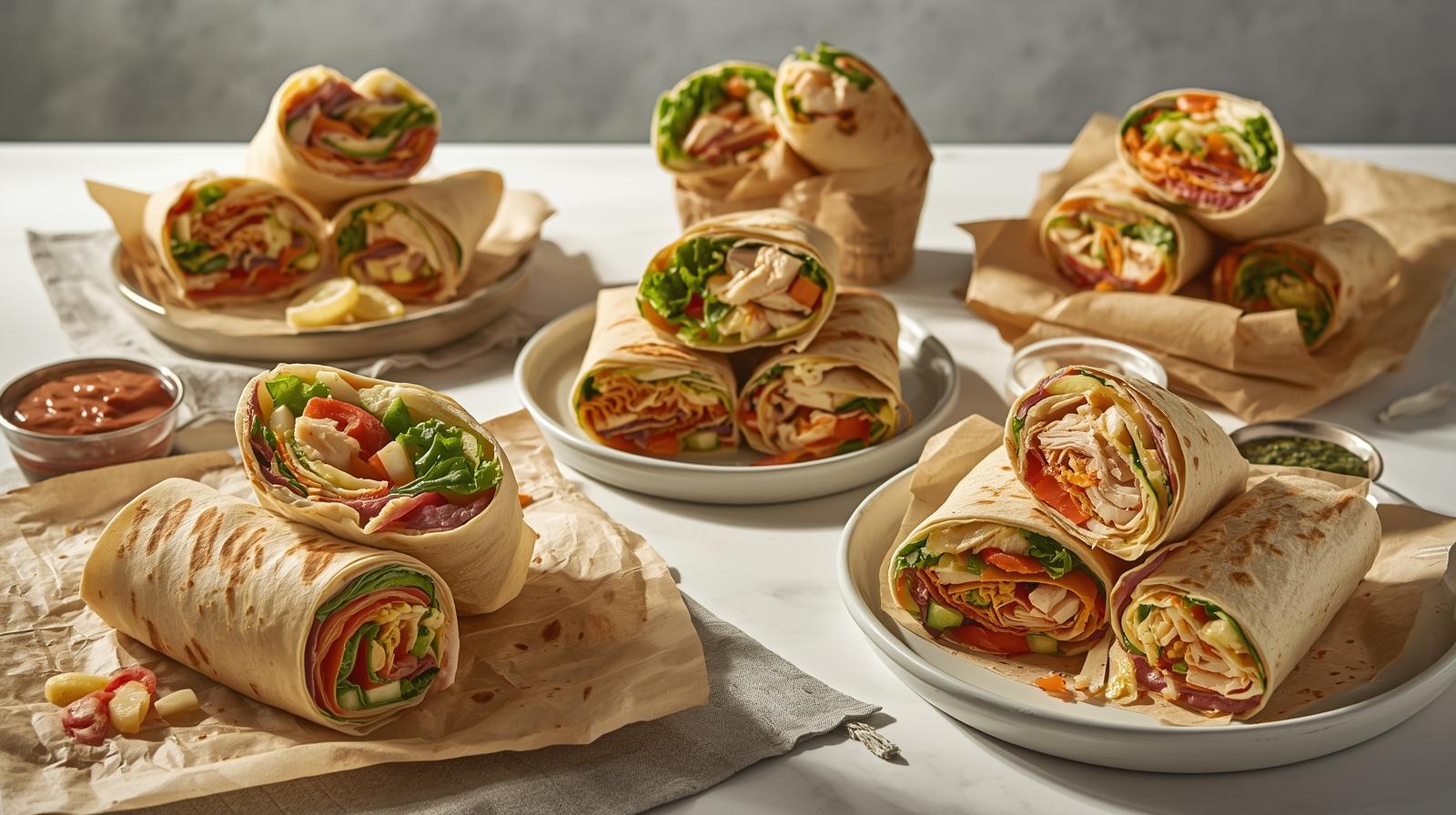
Wraps are food items prepared by placing fillings inside flat bread and rolling it for easy handling. Wraps are served in homes, restaurants, and food outlets as part of daily meals. They are eaten during lunch, dinner, or as quick meal options. This article explains wraps in detail with focus on structure, preparation, ingredients, menu use, portion planning, storage, and serving practices. The content is written for food websites, menus, and readers seeking clear and practical information.
Meaning of Wraps
A wrap is a food item made by using flat bread to enclose a filling. The flat bread is rolled or folded to hold the contents. Wraps are eaten by hand or served on plates.
Role of Wraps in Daily Meals
Wraps are used as complete meals or shared items. They fit into daily routines due to simple preparation and serving methods. Wraps are common in takeaway and dine in settings.
Types of Flat Bread Used
Flat bread types vary based on region and menu. Common flat breads include wheat based, grain based, and mixed flour options. Bread choice affects wrapping and holding.
Preparing the Flat Bread
Flat bread is warmed or used at room temperature before filling. Warming improves flexibility and reduces tearing during rolling.
Wrap Fillings
Fillings form the core of wraps. Fillings may include vegetables, meat, grains, or legumes. Fillings are prepared before assembly.
Meat Based Fillings
Meat fillings are cooked and sliced or shredded. Cooking ensures safe serving. Portion size affects balance inside the wrap.
Vegetable Based Fillings
Vegetable fillings include cooked or raw items. Vegetables are cut evenly to support rolling.
Grain and Legume Fillings
Grains and legumes are used to add volume. These fillings are cooked and cooled before use.
Sauce Use in Wraps
Sauces are added to support moisture. Sauce quantity is controlled to prevent leakage.
Assembly Process
Assembly begins by placing the flat bread on a surface. Fillings are placed in the center. Sauces are added before rolling.
Rolling Method
The bottom edge of the flat bread is folded over the filling. Sides are folded inward. The wrap is rolled tightly to hold contents.
Serving Wraps
Wraps are served whole or cut into portions. They may be wrapped in paper or served on plates.
Wraps as Menu Items
Wraps are listed as main meal options. Menu descriptions focus on filling type.
Portion Planning
Portion size affects handling and pricing. Standard portions support consistency.
Wraps in Home Cooking
Home kitchens prepare wraps using simple tools. Ingredients are adjusted based on availability.
Wraps in Restaurants
Restaurants prepare wraps per order. Preparation steps are standardized to support service speed.
Wraps for Takeaway Orders
Wraps are suitable for takeaway. Packaging supports shape and temperature during transport.
Storage of Ingredients
Wrap ingredients are stored separately. Proper storage supports safety and freshness.
Storage of Prepared Wraps
Prepared wraps are served shortly after assembly. Holding time is limited.
Reheating Wrap Fillings
Fillings may be reheated before assembly. Reheating should be even.
Wraps and Side Items
Wraps may be paired with side dishes. Pairing supports meal completion.
Wraps for Events
Wraps are prepared in larger quantities for events. Planning includes portion count and timing.
Custom Orders
Customers may request changes to fillings or sauces. Flexible assembly supports custom orders.
Pricing Strategy
Pricing is based on filling type and portion size. Clear pricing supports menu clarity.
Food Safety Practices
Food safety includes proper cooking, storage, and handling. Temperature control is required.
Common Preparation Issues
Issues include overfilling or loose rolling. Training reduces these problems.
Wraps in Daily Eating Patterns
Wraps are eaten as meals or shared items. Frequency depends on routine and access.
Cultural Variations
Wraps appear in many food cultures using local flat breads and fillings.
Waste Control
Waste is reduced through portion control and ingredient planning.
Wraps in Digital Menus
Digital menus list wraps with clear names. Placement affects ordering behavior.
Presentation and Serving
Presentation includes clean wrapping and cutting. Serving style supports handling.
Equipment Used
Equipment includes flat surfaces, warming units, and storage containers. Equipment supports workflow.
Workflow Management
Workflow includes filling prep, assembly, and serving. Clear steps support efficiency.
Training for Wrap Preparation
Training focuses on rolling method, portion control, and safety practices.
Menu Updates
Menus may add new wrap options. Core preparation remains the same.
Customer Expectations
Customers expect wraps to hold shape and contain balanced fillings. Meeting expectations supports repeat orders.
Wraps in Food Businesses
Wraps support menu variety and steady demand. Menu placement affects sales.
Conclusion
Wraps are a practical food item used in daily meals and food menus. Through structured preparation, controlled portions, and proper handling, wraps can be served consistently in home kitchens and food outlets. Understanding wrap components, assembly methods, storage, and menu use helps ensure reliable service and customer satisfaction.