Vegetable Curries
Vegetable curries appear in many food cultures and home kitchens across the world. They rely on vegetables, spices, cooking fat, and liquid to create a complete meal. Vegetable curries can fit many eating habits because they allow control over ingredients, cooking method, and serving style. This article explains vegetable curries in detail, covering origin, base elements, preparation methods, regional forms, nutrition aspects, storage, and serving ideas. The focus remains on clear information, practical steps, and search-friendly structure.
What Are Vegetable Curries
Vegetable curries are dishes prepared by cooking vegetables in a sauce or gravy made from spices, herbs, and liquid. The liquid may include water, broth, coconut milk, yogurt, or tomato paste. The vegetables may include roots, leaves, pods, flowers, or fruits used as vegetables.
The word curry refers to a cooking method rather than a single recipe. It describes a process where spices are cooked with fat, followed by vegetables and liquid, then simmered until the vegetables reach a cooked state.
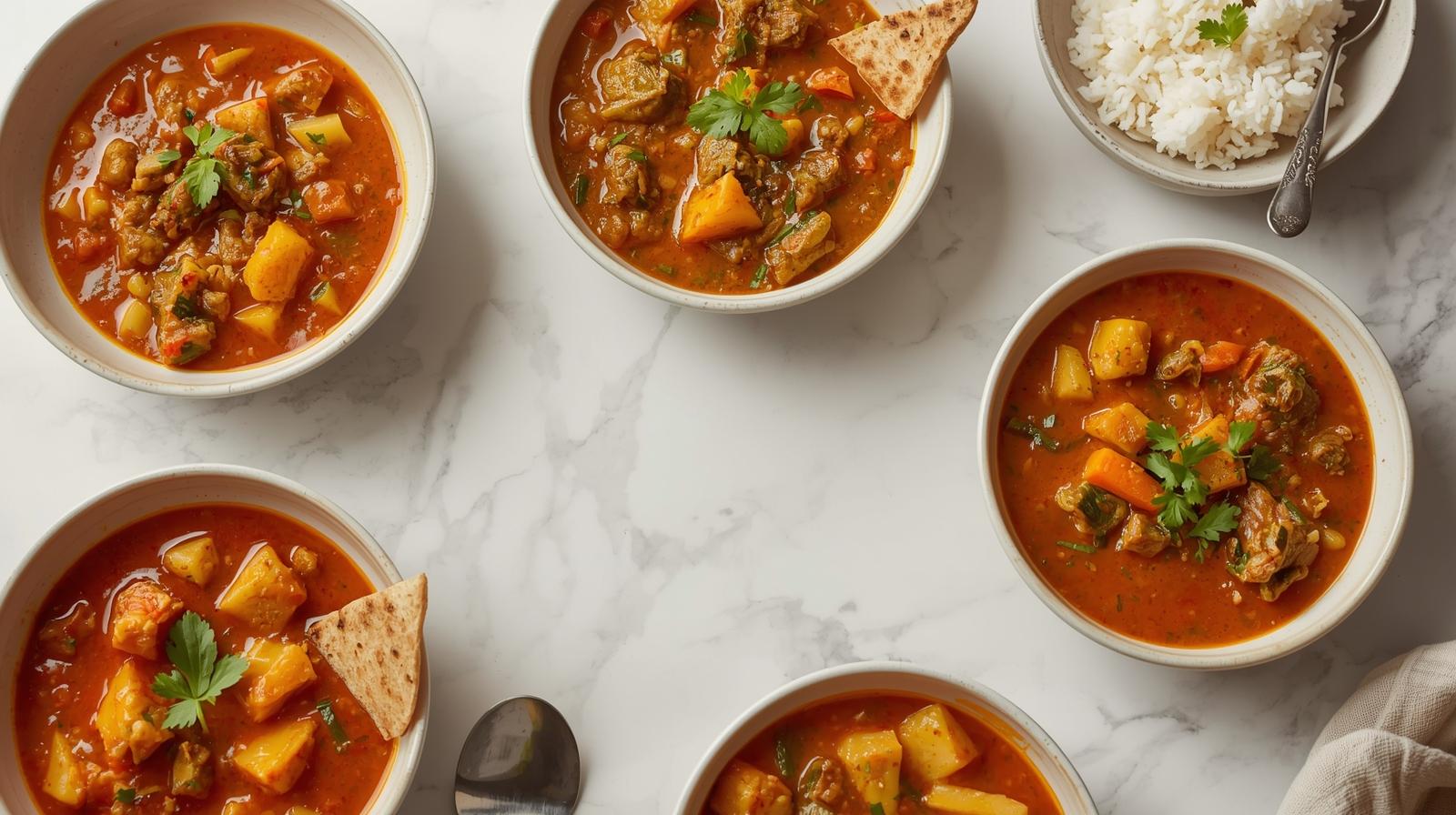
Vegetable curries can be eaten with rice, flatbread, or grain dishes. They may be served as a main dish or as part of a meal spread.
Origin and Spread of Vegetable Curries
Vegetable curries trace back to South Asia, where plant-based cooking developed alongside spice trade routes. Over time, traders, travelers, and migrants carried curry methods to other regions. Each region adapted the method based on local vegetables and spices.
In South Asia, vegetable curries became daily food items. In Southeast Asia, coconut milk and herbs shaped local curry styles. In Africa and the Caribbean, curry methods mixed with local cooking traditions. In Europe and North America, vegetable curries entered homes through migration and restaurants.
This spread explains why vegetable curries exist in many forms while following a shared cooking structure.
Core Components of Vegetable Curries
Vegetables
Vegetables form the main body of the dish. Common choices include:
- Potato
- Cauliflower
- Carrot
- Peas
- Spinach
- Eggplant
- Okra
- Cabbage
- Pumpkin
- Zucchini
- Beans
Vegetables may be used alone or combined. Cooking time depends on vegetable type, size, and cut.
Fat
Fat helps release spice aroma and supports cooking. Options include:
- Oil
- Butter
- Ghee
- Coconut oil
The choice of fat influences the final taste and texture.
Spices
Spices define curry flavor. Common spices include:
- Cumin
- Coriander
- Turmeric
- Chili
- Mustard seed
- Fenugreek
- Black pepper
Spices may be whole or ground. Whole spices are often heated in fat first. Ground spices are added later to avoid burning.
Aromatics
Aromatics add depth. These include:
- Onion
- Garlic
- Ginger
- Green chili
They are usually cooked early to form the base.
Liquid
Liquid forms the sauce. Options include:
- Water
- Vegetable stock
- Tomato puree
- Coconut milk
- Yogurt
The amount of liquid controls thickness.
Basic Method for Making Vegetable Curries
- Heat fat in a pan.
- Add whole spices if used.
- Add aromatics and cook until softened.
- Add ground spices and stir.
- Add vegetables and mix.
- Add liquid and bring to a simmer.
- Cook until vegetables reach desired texture.
- Adjust salt and spice level.
- Finish with herbs if used.
This method forms the base for many vegetable curries.
Types of Vegetable Curries by Region
South Asian Vegetable Curries
South Asian curries often use onion, tomato, and spice mixtures. Vegetables are cut into medium pieces. Cooking involves simmering until the sauce thickens.
Examples include mixed vegetable curry, potato curry, spinach curry, and lentil vegetable curry.
Southeast Asian Vegetable Curries
These curries often rely on curry pastes and coconut milk. Vegetables are added in stages based on cooking time.
Common vegetables include eggplant, bamboo shoot, and squash. Herbs such as basil or lime leaf may appear at the end.
East Asian Vegetable Curries
Some East Asian curries use a sauce base with spice blends and starch. Vegetables are cut into chunks and cooked until soft.
These curries are often served with rice.
African Vegetable Curries
African curries vary by region. Some use peanut paste, tomato, and chili. Root vegetables appear often.
Caribbean Vegetable Curries
Caribbean versions may use curry powder, potatoes, chickpeas, and vegetables. Cooking often happens in one pot.
Vegetable Curry Variations by Main Ingredient
Potato Curry
Potato curry uses potatoes as the main vegetable. Potatoes absorb spices and thicken the sauce. This curry pairs with flatbread or rice.
Cauliflower Curry
Cauliflower curry includes florets cooked in spice sauce. It may include peas or potatoes.
Spinach Curry
Spinach curry uses fresh or frozen spinach. Spinach is added near the end to avoid overcooking.
Mixed Vegetable Curry
Mixed vegetable curry uses several vegetables. Cutting vegetables evenly helps even cooking.
Eggplant Curry
Eggplant curry relies on eggplant texture. Salt may be used before cooking to reduce moisture.
Cooking Techniques Used in Vegetable Curries
Sautéing
Sautéing aromatics builds flavor. Heat control matters to avoid burning spices.
Simmering
Simmering allows vegetables to cook evenly. Low heat helps spices blend.
Steaming in Sauce
Vegetables cook in sauce without prior frying. This method reduces oil use.
Roasting Before Adding
Some vegetables are roasted before adding to curry. This changes texture and taste.
Nutritional Role of Vegetable Curries
Vegetable curries provide fiber, vitamins, and minerals from vegetables. Spices may contribute compounds used in daily diets. Fat content depends on oil amount and type. Protein can be added through legumes such as chickpeas or lentils.
Vegetable curries support plant-based eating patterns. Portion size and ingredient choice affect nutrition balance.
Vegetable Curries in Daily Meals
Vegetable curries fit into lunch or dinner meals. They can be prepared in advance and reheated. Many curries improve in taste after resting, as spices continue to blend.
Vegetable curries can serve as:
- Main dish with rice
- Side dish with flatbread
- Filling for wraps
- Meal prep option
Storage and Reheating of Vegetable Curries
Vegetable curries store well when cooled and sealed.
- Refrigerator storage: up to three days
- Freezer storage: up to two months
Reheat on low heat to avoid sauce separation. Add water if the sauce thickens too much.
Common Mistakes When Making Vegetable Curries
- Adding all spices at once without controlling heat
- Overcooking vegetables
- Using too much liquid
- Skipping salt adjustment
- Burning spices
Correcting these issues improves outcome.
Tips for Consistent Results
- Cut vegetables evenly
- Measure spices
- Add liquid gradually
- Taste during cooking
- Control heat level
These steps help maintain balance.
Vegetable Curries and Meal Planning
Vegetable curries help with weekly meal planning. One batch can serve multiple meals. Pairing with grains and legumes completes the plate.
Vegetable curries also reduce food waste by using leftover vegetables.
Serving Ideas for Vegetable Curries
Vegetable curries can be served with:
- Rice
- Flatbread
- Quinoa
- Millet
- Noodles
Garnish options may include herbs or seeds, based on preference.
Vegetable Curries in Home Cooking
Home cooks value vegetable curries for flexibility. Ingredients can change based on season or availability. The same base method supports many variations.
Vegetable curries also allow control over spice level and oil amount.
Vegetable Curries in Restaurants
Restaurants offer vegetable curries as vegetarian options. Menus may list curries by vegetable or sauce type. Preparation often follows batch cooking methods.
Conclusion
Vegetable curries represent a cooking method built around vegetables, spices, fat, and liquid. They appear in many cultures and adapt to local ingredients. Understanding the base components and methods allows anyone to prepare vegetable curries at home. With control over ingredients and technique, vegetable curries remain a reliable part of daily meals and long-term food planning.