Rice & Grain Meals
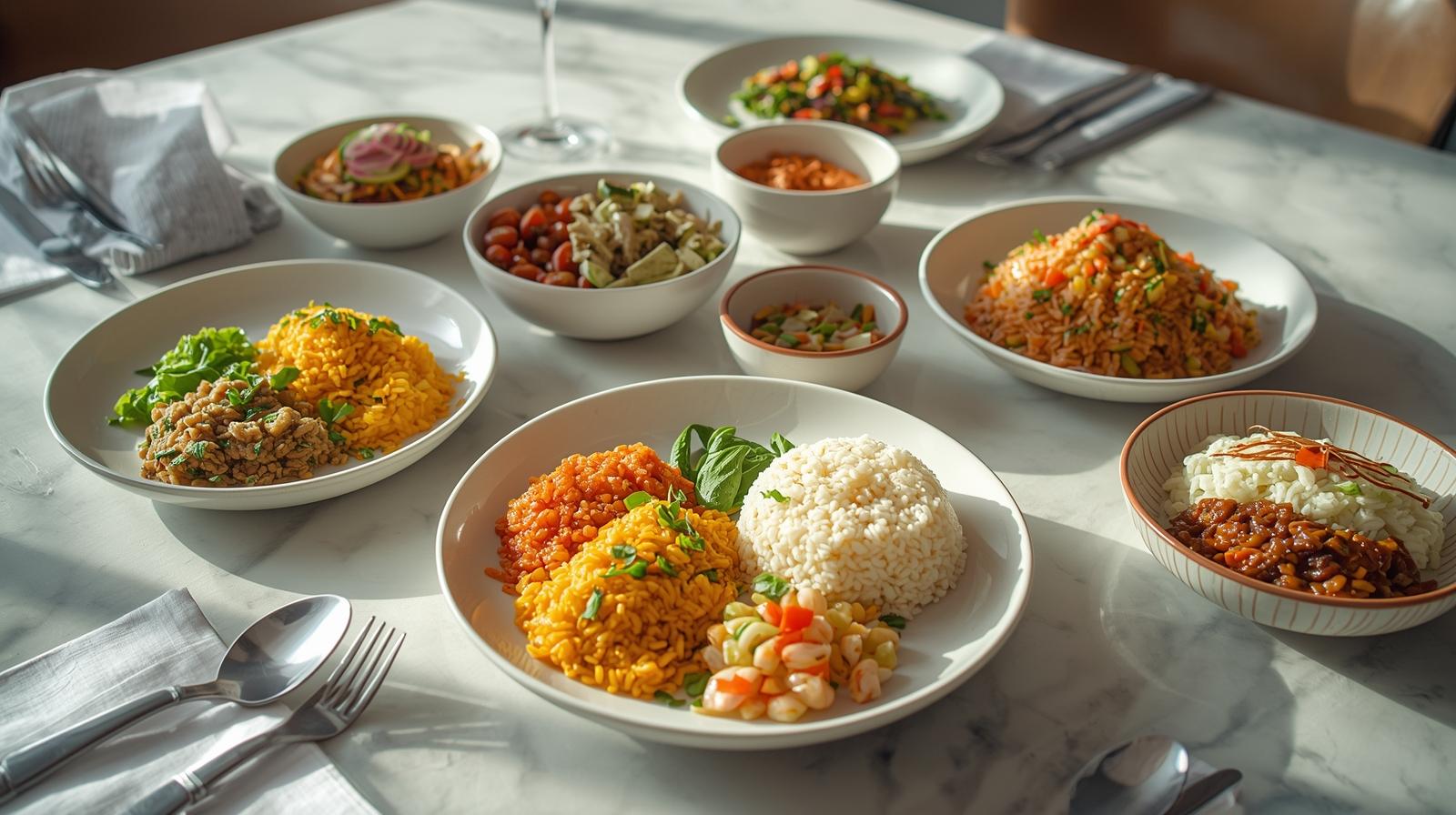
Rice and grain meals form a major part of daily food intake across many regions. These meals rely on rice or grains as the base ingredient and combine them with vegetables, legumes, fats, and liquids. Rice and grain meals support structured cooking, batch preparation, and flexible serving options. This article explains rice and grain meals in detail, covering origin, types of rice and grains, preparation methods, cooking styles, meal formats, nutrition role, storage, and home use. The content is written for clarity, search structure, and long-term relevance.
What Are Rice & Grain Meals
Rice and grain meals are dishes where rice or grains act as the main component. These meals may be served alone or paired with other foods. Grains include rice, wheat, corn, barley, millet, sorghum, oats, and rye. Each grain has a cooking method based on size, moisture need, and heat tolerance.
Rice and grain meals appear in breakfast, lunch, and dinner formats. They may be prepared as dry dishes, cooked in liquid, or layered with other ingredients.
Origin of Rice & Grain Meals
Rice and grain meals developed alongside agriculture. Early farming societies relied on grains for storage and supply control. Rice cultivation expanded in river regions, while grains such as wheat and barley spread through plains and dry lands.
As trade routes expanded, cooking methods traveled across regions. Each area adjusted grain use based on climate, water access, and farming cycles. Over time, rice and grain meals became daily food items and cultural markers.
Types of Rice Used in Meals
Long Grain Rice
Long grain rice remains separate after cooking. It is used in pilaf-style dishes and layered meals.
Medium Grain Rice
Medium grain rice holds moisture and supports bound dishes. It is used in mixed rice meals.
Short Grain Rice
Short grain rice releases starch during cooking. It is used in compact dishes and molded servings.
Parboiled Rice
Parboiled rice undergoes partial processing before milling. It retains structure during cooking.
Broken Rice
Broken rice cooks faster and absorbs liquid. It is used in porridge-style meals.
Types of Grains Used in Meals
Wheat
Wheat is used in cracked, rolled, or ground form. It appears in cooked grain bowls and baked meals.
Barley
Barley absorbs liquid and expands during cooking. It is used in stews and mixed grain dishes.
Millet
Millet grains cook quickly and suit dry and moist dishes.
Corn
Corn is used as whole kernels, grits, or ground meal. It appears in porridge and baked formats.
Oats
Oats cook in liquid and form a thick base. They are used in meal bowls and baked dishes.
Sorghum
Sorghum grains hold shape after cooking. They are used in salads and layered meals.
Core Components of Rice & Grain Meals
Base Grain
The grain forms the structure of the meal. Grain selection affects cooking time and texture.
Liquid
Liquid supports grain cooking. Options include water, stock, or milk.
Fat
Fat supports heat transfer and grain coating. Oil, butter, or ghee may be used.
Vegetables
Vegetables add bulk and balance. They may be added raw or cooked.
Protein Sources
Protein may include legumes, beans, lentils, paneer, tofu, eggs, or meat.
Seasoning
Seasoning includes salt, herbs, and spices added during or after cooking.
Cooking Methods for Rice & Grain Meals
Boiling
Grains are cooked in excess liquid and drained. This method suits rice and pasta-style grains.
Absorption Method
Grains absorb measured liquid until cooked. This method controls texture.
Steaming
Grains cook through steam exposure. This method is used for layered dishes.
Baking
Grains cook in an oven with liquid and toppings. This method supports batch cooking.
Pressure Cooking
Pressure reduces cooking time. This method suits hard grains.
Rice Meals by Cooking Style
Plain Cooked Rice Meals
Rice is cooked and served with sides. This format supports meal pairing.
Mixed Rice Meals
Rice cooks with vegetables and seasoning. Ingredients are added in stages.
Layered Rice Meals
Rice layers alternate with fillings. Cooking completes through steam.
Rice Porridge Meals
Rice cooks with excess liquid. The result is a spoon-based meal.
Grain Meals by Cooking Style
Grain Bowl Meals
Cooked grains form the base. Toppings are added before serving.
Grain Stew Meals
Grains cook in liquid with vegetables and protein.
Baked Grain Meals
Grains bake with liquid and toppings in a dish.
Stuffed Grain Meals
Cooked grains act as filling for vegetables or wraps.
Rice & Grain Meals by Region
Asian Rice Meals
Rice meals include steamed rice, fried rice, and rice cooked with legumes.
Middle Region Grain Meals
Grains such as wheat and barley form pilaf and porridge dishes.
African Grain Meals
Millet, sorghum, and corn support daily meals.
European Grain Meals
Barley and wheat appear in soups and baked meals.
American Grain Meals
Corn, rice, and oats appear in bowl and baked formats.
Rice & Grain Meals in Daily Use
Rice and grain meals fit daily routines due to batch preparation. Cooked grains may be stored and reused. One base grain can support multiple meals.
These meals appear in work lunches, family dinners, and travel food planning.
Nutrition Role of Rice & Grain Meals
Rice and grain meals provide energy through carbohydrates. Grains also contain fiber, minerals, and plant compounds. Protein content increases when combined with legumes or dairy.
Nutrition balance depends on portion size, fat use, and added ingredients.
Rice & Grain Meals for Meal Planning
Rice and grain meals support weekly planning. Grains can be cooked once and used across meals. This reduces daily cooking time.
Grain rotation supports variety without changing structure.
Storage of Rice & Grain Meals
Cooked rice and grains require cooling before storage.
- Refrigerator storage: up to three days
- Freezer storage: up to one month
Reheat with moisture to restore texture.
Common Mistakes in Rice & Grain Cooking
- Incorrect liquid ratio
- High heat during absorption
- Skipping rest time after cooking
- Stirring rice during absorption
- Storing while warm
Correct handling improves consistency.
Tips for Consistent Rice & Grain Meals
- Measure grain and liquid
- Rinse grains when required
- Allow resting time after cooking
- Use suitable cookware
- Control heat level
These steps support repeat results.
Rice & Grain Meals in Home Cooking
Home cooks use rice and grain meals for flexibility. Grains adapt to available ingredients. Leftover grains can be reused in new formats.
These meals support both single-serve and batch cooking.
Rice & Grain Meals in Restaurants
Restaurants prepare grains in bulk. Portions are assembled per order. This method supports speed and cost control.
Menus list meals by grain type or cooking style.
Rice & Grain Meals and Food Pairings
Rice and grain meals pair with:
- Vegetable dishes
- Legume dishes
- Dairy-based sides
- Sauces and condiments
Pairings depend on meal format.
Rice & Grain Meals and Seasonal Use
Grain choice may change by season. Cooking method may shift between dry and liquid-based meals. Ingredient rotation supports supply use.
Rice & Grain Meals for Different Diet Plans
Rice and grain meals fit vegetarian and mixed diets. Ingredient selection controls fat and protein levels. Grains combine with plant or animal protein sources.
Rice & Grain Meals for Large Groups
Rice and grain meals scale well. Large pots and trays support volume cooking. This makes them suitable for gatherings and events.
Rice & Grain Meals and Cultural Practices
Rice and grain meals appear in rituals, festivals, and daily customs. Serving order and grain choice may carry meaning in specific regions.
Conclusion
Rice and grain meals rely on grains as the meal base and use controlled cooking methods to form complete dishes. These meals appear across regions and support daily food routines. Understanding grain types, cooking methods, storage, and pairing options allows reliable preparation at home and in large settings. Rice and grain meals continue to remain part of structured eating due to adaptability, storage ease, and wide use.