Rice Dishes
Introduction
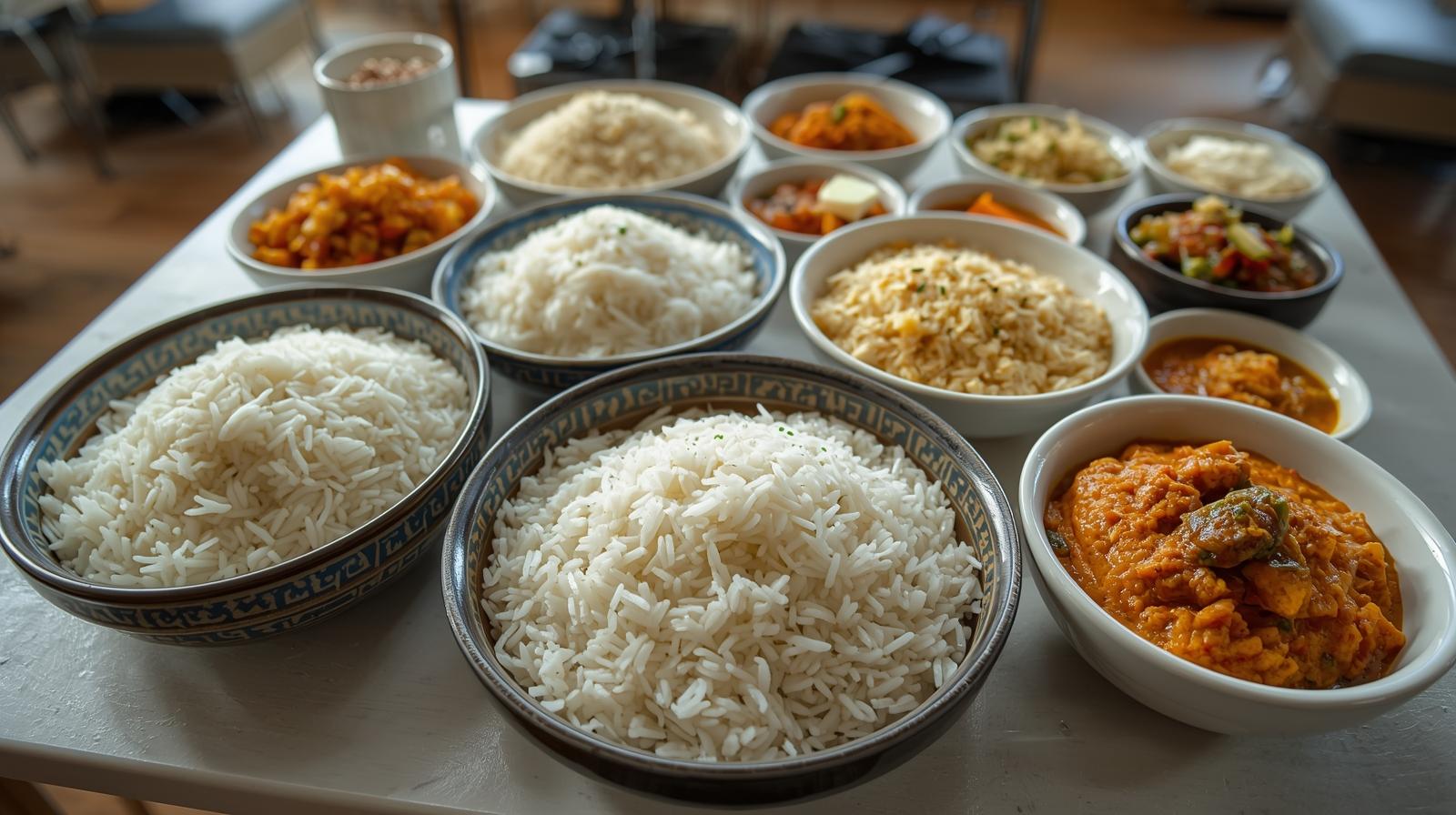
Rice dishes are part of daily meals across many regions. Rice serves as a base food that supports regular eating patterns and meal planning. It is prepared in many ways and combined with vegetables, legumes, meat, or sauces. This article explains rice dishes in detail, covering types, preparation methods, cultural use, nutrition role, and daily consumption. The goal is to provide clear information for readers searching for guidance about rice dishes for menus, home cooking, and food knowledge.
Role of Rice in Daily Meals
Rice plays a central role in daily meals for many households. It is eaten during lunch and dinner and sometimes used for breakfast meals. Rice supports energy intake and pairs with many foods.
Rice dishes fit into routine eating schedules and shared meals.
Types of Rice Used in Cooking
Different rice types are used depending on dish style and region. Common types include:
- White rice
- Brown rice
- Basmati rice
- Short grain rice
- Long grain rice
Each type behaves differently during cooking.
White Rice Dishes
White rice is commonly used in daily meals. It cooks quickly and pairs with curries, vegetables, and sauces.
White rice dishes are often served plain or lightly seasoned.
Brown Rice Dishes
Brown rice includes the outer layer of the grain. It requires longer cooking time.
Brown rice dishes are used in meals focused on fiber intake and digestion support.
Steamed Rice
Steamed rice is a basic preparation method. Rice is cooked in water until grains absorb moisture.
Steamed rice is often served with curries, lentils, or vegetables.
Boiled Rice
Boiled rice is prepared by cooking rice in excess water and draining it. This method is used in some regions.
Boiled rice dishes are paired with sauces and side dishes.
Fried Rice Dishes
Fried rice dishes are prepared by cooking rice first and then stir cooking it with vegetables, eggs, or protein sources.
Fried rice is often used as a single plate meal.
Rice and Vegetable Dishes
Rice is combined with vegetables to create balanced meals. Vegetables add texture and variety.
Examples include vegetable rice and mixed rice dishes.
Rice and Lentil Dishes
Rice and lentils are often served together or cooked in one pot. This combination supports meal balance.
These dishes are common in home meals.
Rice and Meat Dishes
Rice is paired with meat in many traditional dishes. Meat is cooked separately or together with rice.
Such dishes are often served during gatherings and shared meals.
Rice and Seafood Dishes
Rice is used with fish and seafood in coastal regions. These dishes may include broth or dry preparation.
Rice absorbs flavor from seafood during cooking.
One Pot Rice Meals
One pot rice meals combine rice with vegetables, legumes, or meat in a single cooking process.
These meals support time management and portion control.
Rice in Traditional Cooking
Rice is part of traditional cooking across cultures. It is prepared according to regional methods and shared during events.
Traditional rice dishes reflect cultural identity.
Rice in Home Cooking
Rice is a staple in home kitchens. It is prepared daily using simple methods.
Home cooking focuses on consistency and portion planning.
Rice in Restaurant Menus
Rice dishes appear on restaurant menus as main items or side items. Menu planning includes portion size and pairing options.
Rice supports variety in menu structure.
Portion Control in Rice Dishes
Portion size matters in rice dishes. Measuring portions supports meal planning.
Balanced portions reduce waste and support routine intake.
Cooking Methods and Tools
Rice can be cooked using pots, pressure cookers, or rice cookers. Each method affects texture.
Choosing tools depends on kitchen setup.
Water Ratio and Cooking Time
Water ratio affects rice texture. Too much water leads to soft grains, while less water may cause uneven cooking.
Following basic ratios supports consistency.
Storage of Cooked Rice
Cooked rice should be stored properly to maintain food safety. Cooling and refrigeration support storage.
Reheating should be done evenly.
Rice Dishes for Daily Meals
Rice dishes are suitable for daily meals due to simple preparation and pairing options.
They fit into lunch and dinner routines.
Rice Dishes for Events
Rice dishes are prepared in larger quantities for events. Planning includes quantity estimation and timing.
Event dishes may include mixed or layered rice meals.
Cultural Variations of Rice Dishes
Rice dishes vary across regions. Cooking style, spices, and pairings differ.
These variations reflect local food habits.
Rice and Meal Balance
Rice provides a base that supports meal balance when combined with vegetables and protein sources.
Balanced meals depend on combination rather than rice alone.
Common Mistakes in Rice Cooking
Common mistakes include incorrect water ratio and overcooking. These affect texture and taste.
Learning from experience improves results.
Rice Dishes for Beginners
Beginners may start with plain rice and simple combinations. Gradual practice improves skill.
Simple dishes build confidence.
Rice Dishes for Large Families
Rice supports cooking for larger groups due to scalability. Quantity adjustment is simple.
Family meals often rely on rice dishes.
Cost and Accessibility
Rice is accessible and widely available. Cost remains stable compared to other foods.
This supports its role in daily meals.
Rice and Food Planning
Rice fits well into weekly food planning. It can be paired with different dishes throughout the week.
Planning reduces repetition.
Menu Use of Rice Dishes
Rice dishes appear as main items or side items on menus. Description clarity supports customer choice.
Menu placement affects ordering patterns.
Health Considerations
Rice intake should match activity level and meal balance. Combining rice with vegetables and protein supports intake planning.
Awareness supports long term use.
Rice Dishes in Modern Eating
Modern eating includes traditional and mixed rice dishes. New combinations continue to appear.
Rice remains part of evolving food habits.
Conclusion
Rice dishes form a core part of daily meals, menus, and food traditions. Through varied preparation methods, pairing options, and cultural practices, rice continues to support meal structure and routine eating. Understanding rice types, cooking methods, portion control, and meal planning helps individuals and food businesses use rice dishes effectively in daily life.