Fries & Sides
Introduction
Fries and sides are food items served alongside main dishes. They complete meals in homes, restaurants, and food outlets. Fries and sides are prepared using simple methods and served in controlled portions. This article explains fries and sides in detail with focus on preparation, ingredients, menu use, portion planning, storage, and serving practices. The content is written for food websites, menus, and readers looking for clear and practical information.
Meaning of Fries and Sides
Fries are cut food items cooked using heat, often served hot. Sides are smaller dishes served with main meals. Together, fries and sides support meal structure and balance.
Role in Daily Meals
Fries and sides are eaten during lunch and dinner. They may also be shared during group meals. Their role is to support the main dish rather than replace it.
Common Types of Fries
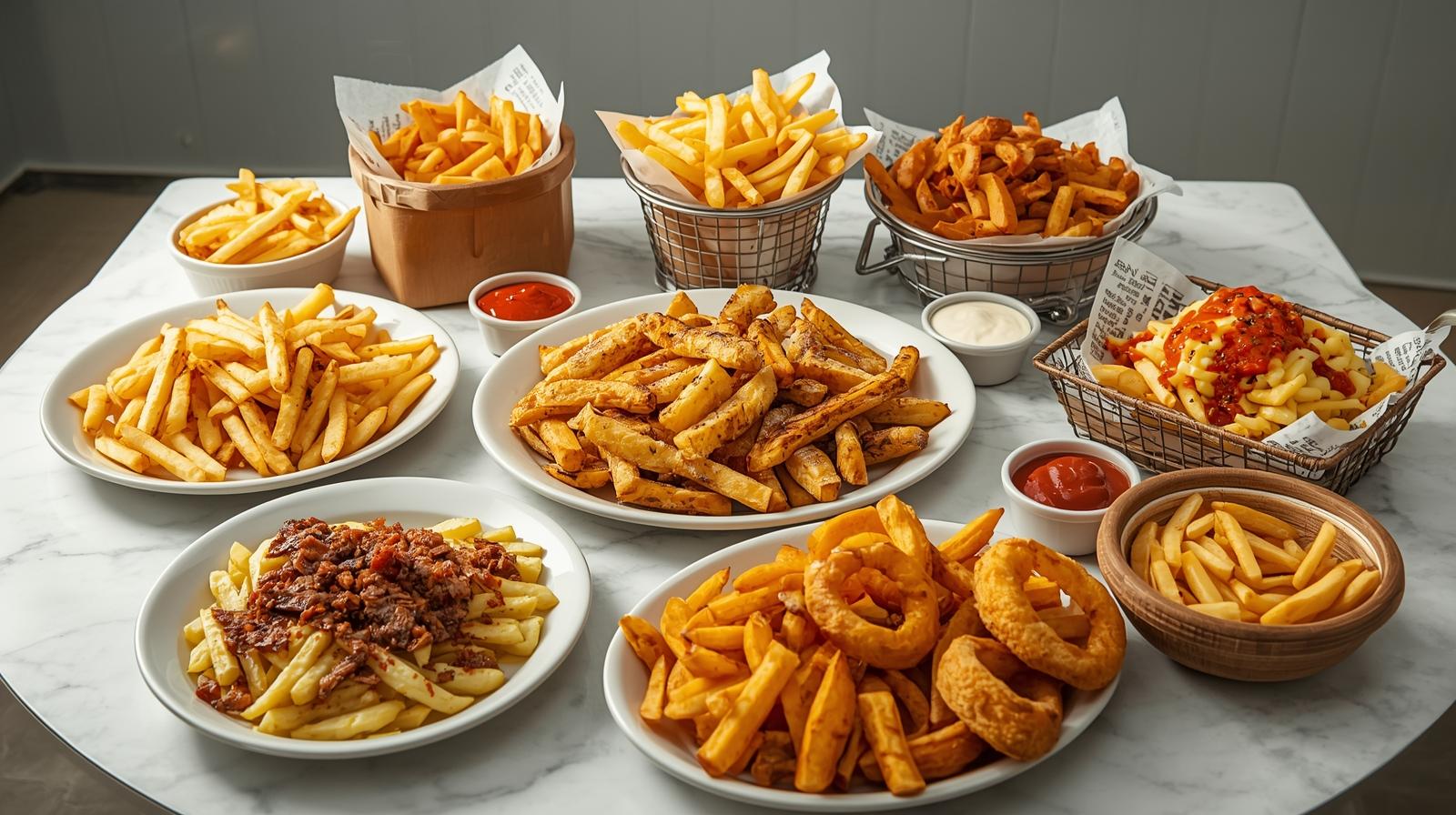
Fries are prepared from different base ingredients. Common types include:
- Potato fries
- Sweet potato fries
- Vegetable fries
- Grain based fries
Each type requires a specific cooking approach.
Preparation of Fries
Fries are prepared by cutting the base ingredient into pieces. Size affects cooking time. Even cutting supports consistent results.
Cooking Methods for Fries
Fries are cooked using methods such as frying, baking, or air cooking. Heat control is required to ensure even cooking.
Frying Method
Frying uses oil and controlled temperature. Fries are placed in oil until cooked. Timing affects texture.
Baking Method
Baking uses dry heat. Fries are spread on trays and cooked evenly. This method supports batch preparation.
Air Cooking Method
Air cooking uses circulated heat. Fries are cooked with limited oil. Timing is adjusted based on quantity.
Seasoning of Fries
Seasoning is applied before or after cooking. Amount is controlled to support balance.
Common Side Dishes
Sides include items served in smaller portions. Common side dishes include:
- Salads
- Cooked vegetables
- Grain portions
- Bread items
Side selection varies by menu.
Side Dish Preparation
Side dishes are prepared separately from main meals. Preparation method depends on the item.
Cold Side Dishes
Cold sides are prepared and stored before serving. Temperature control supports safety.
Hot Side Dishes
Hot sides are cooked shortly before serving. Timing supports freshness.
Fries and Sides in Home Cooking
Home kitchens prepare fries and sides using available tools. Quantities are adjusted based on family size.
Fries and Sides in Restaurants
Restaurants prepare fries and sides in batches. Preparation steps are standardized to support service speed.
Fries and Sides on Menus
Menus list fries and sides as add-on items or meal parts. Clear listing supports customer choice.
Portion Planning
Portion size affects cost and satisfaction. Standard portions support consistency.
Pairing Fries and Sides with Main Dishes
Fries and sides are paired based on meal type. Pairing supports variety without overpowering the main dish.
Fries and Sides for Takeaway Orders
Takeaway orders require packaging that supports heat retention. Portion control prevents spillage.
Storage of Raw Ingredients
Raw ingredients for fries and sides are stored based on type. Proper storage reduces waste.
Storage of Cooked Fries and Sides
Cooked fries and sides are held for short periods. Holding time affects serving quality.
Reheating Practices
Reheating should restore serving temperature evenly. Uneven reheating affects texture.
Fries and Sides for Events
Large events require bulk preparation. Planning includes quantity estimation and timing.
Custom Orders
Customers may request changes to portion size or seasoning. Flexible preparation supports custom orders.
Pricing Strategy
Pricing considers ingredient cost and portion size. Separate pricing allows menu flexibility.
Food Safety Practices
Food safety includes proper storage, cooking, and handling. Temperature control is important at each stage.
Common Preparation Errors
Errors include uneven cutting or overcooking. Training and process checks reduce issues.
Fries and Sides in Daily Eating Patterns
Fries and sides are eaten as part of meals rather than standalone items. Frequency varies by routine.
Cultural Variations
Different regions prepare fries and sides using local ingredients. Preparation methods reflect food habits.
Waste Management
Waste is reduced through accurate portioning and ingredient tracking.
Fries and Sides in Digital Menus
Digital menus display fries and sides with clear labels. Placement affects ordering behavior.
Presentation and Serving
Presentation includes clean plating or packaging. Serving style supports handling.
Equipment Used
Equipment includes fryers, ovens, trays, and holding units. Equipment choice affects workflow.
Workflow Management
Workflow includes preparation, cooking, holding, and serving. Clear steps support efficiency.
Training for Preparation
Training focuses on cutting methods, cooking timing, and safety practices.
Menu Updates
Menus may add new side items. Core preparation remains the same.
Customer Expectations
Customers expect consistent portion size and serving temperature. Meeting expectations supports repeat orders.
Fries and Sides in Food Businesses
Fries and sides support sales by complementing main dishes. Menu placement affects demand.
Conclusion
Fries and sides are essential components of meal service in homes and food outlets. Through controlled preparation, portion planning, and proper handling, they support complete meals and menu balance. Understanding types, cooking methods, storage, and serving practices helps en