
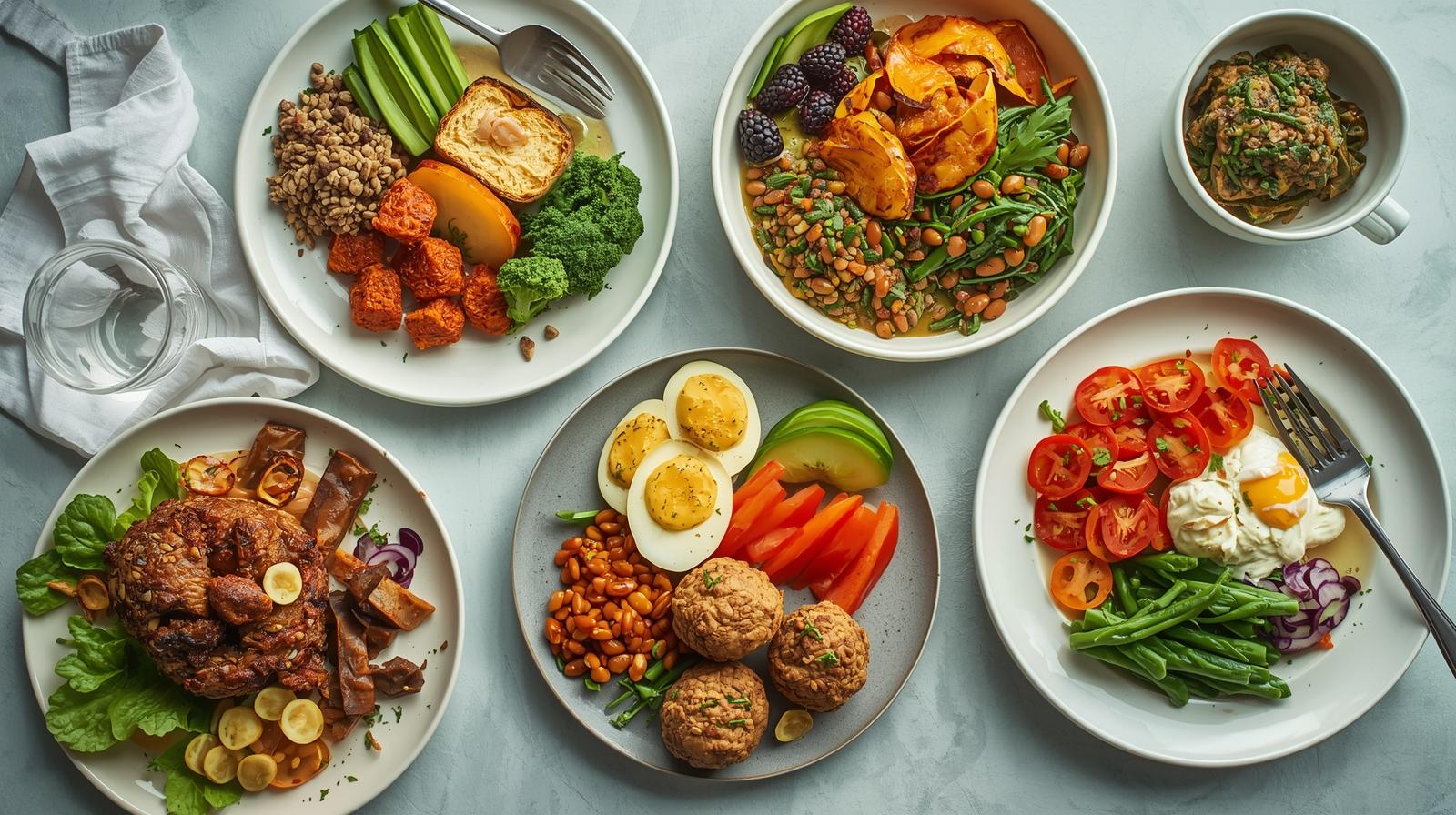
Vegan Options
Vegan options refer to meals and food choices made without animal-based products. These options rely on plant sources such as vegetables, fruits, grains, legumes, nuts, seeds, and plant oils. Vegan options appear in home cooking, packaged foods, restaurants, and event catering. This article explains vegan options in detail, including definition, food groups, meal types, cooking methods, nutrition role, planning strategies, storage, and daily use. The content is structured for clarity, search relevance, and long-term value.
What Are Vegan Options
Vegan options are foods and meals prepared without meat, fish, dairy, eggs, or honey. All ingredients come from plant sources. Vegan options may be simple or complex, depending on preparation and ingredient count.
Vegan options support food systems that rely on crops rather than animal farming. They appear in many cuisines and meal formats.
Origin and Growth of Vegan Options
Plant-based eating has existed for centuries due to cultural practices, resource limits, and ethical views. Over time, vegan options expanded through recipe sharing, trade, and food processing.
In recent years, vegan options increased in markets, menus, and packaged goods. This growth reflects demand for plant-based meals across regions.
Core Food Groups in Vegan Options
Vegetables
Vegetables form the base of many vegan options. They may be used fresh, frozen, or dried.
Common vegetables include:
- Potato
- Tomato
- Onion
- Carrot
- Spinach
- Cabbage
- Cauliflower
- Beans
Fruits
Fruits appear in meals, snacks, and desserts. They provide natural sugars and fiber.
Examples include:
- Apple
- Banana
- Orange
- Mango
- Berries
Grains
Grains supply carbohydrates and structure.
Examples include:
- Rice
- Wheat
- Oats
- Barley
- Millet
- Corn
Legumes
Legumes supply protein and fiber.
Examples include:
- Lentils
- Chickpeas
- Beans
- Peas
- Soybeans
Nuts and Seeds
Nuts and seeds provide fats and protein.
Examples include:
- Almond
- Peanut
- Cashew
- Sunflower seed
- Sesame seed
Plant Oils
Plant oils support cooking and flavor transfer.
Examples include:
- Olive oil
- Sunflower oil
- Coconut oil
Vegan Protein Sources
Protein in vegan options comes from plant foods.
Common sources include:
- Lentils
- Chickpeas
- Beans
- Tofu
- Tempeh
- Soy products
- Nuts
- Seeds
Combining grains and legumes supports protein intake.
Vegan Options by Meal Type
Vegan Breakfast Options
Vegan breakfasts may include:
- Oat porridge with fruit
- Toast with nut spread
- Smoothies with plant milk
- Grain bowls
Vegan Lunch Options
Vegan lunches may include:
- Rice with vegetables and legumes
- Grain salads
- Wraps with plant fillings
- Soup with beans
Vegan Dinner Options
Vegan dinners may include:
- Vegetable curries
- Stir-fried grains
- Baked vegetable trays
- Pasta with plant sauces
Vegan Snack Options
Vegan snacks may include:
- Fruit
- Roasted legumes
- Nuts
- Seed bars
Vegan Options by Cooking Method
Boiling
Boiling is used for grains, legumes, and vegetables.
Steaming
Steaming supports nutrient retention and texture control.
Sautéing
Sautéing uses oil and controlled heat for vegetables and protein sources.
Baking
Baking supports batch preparation.
Grilling
Grilling is used for plant proteins and vegetables.
Vegan Options by Cuisine Type
Asian Vegan Options
Asian vegan options include rice dishes, vegetable stir-fries, and legume stews.
Middle Region Vegan Options
These options include grain dishes, lentil meals, and vegetable stews.
African Vegan Options
African vegan options use millet, sorghum, legumes, and vegetables.
European Vegan Options
European vegan options include soups, grain dishes, and baked meals.
American Vegan Options
American vegan options include bowls, wraps, and plant-based snacks.
Vegan Substitutes in Cooking
Vegan options often replace animal-based items with plant-based alternatives.
Examples include:
- Plant milk instead of dairy milk
- Nut paste instead of cream
- Tofu instead of meat
- Oil instead of butter
These substitutes support familiar cooking methods.
Vegan Options and Nutrition Balance
Vegan options provide carbohydrates, fats, fiber, vitamins, and minerals. Nutrient intake depends on food variety and portion control.
Key nutrients to plan include:
- Protein
- Iron
- Calcium
- Vitamin B12
- Omega fats
Some nutrients may require fortified foods or supplements.
Vegan Options for Daily Meals
Vegan options fit daily meal routines. Meals may be prepared in advance and stored. Many vegan dishes reheat well.
Using seasonal produce supports cost control and availability.
Vegan Options for Meal Planning
Meal planning supports consistency in vegan eating.
Steps include:
- Select grain base
- Add legume or protein source
- Add vegetables
- Choose fat source
- Add seasoning
This structure supports variety.
Storage of Vegan Options
Cooked vegan meals require cooling before storage.
- Refrigerator storage: up to three days
- Freezer storage: up to one month
Dry foods store longer when sealed.
Common Mistakes in Vegan Cooking
- Limited food variety
- Skipping protein sources
- Excess oil use
- Overcooking vegetables
- Poor meal balance
Correct planning reduces these issues.
Vegan Options in Home Cooking
Home cooks value vegan options for ingredient flexibility. Many recipes allow substitution based on supply.
Vegan meals often use one-pot or tray-based methods.
Vegan Options in Restaurants
Restaurants offer vegan options to meet menu demand. These options may appear as main dishes or marked menu items.
Preparation often follows standard cooking systems with ingredient changes.
Vegan Options for Events and Groups
Vegan options scale well for groups. Grain and legume dishes support volume cooking.
Labeling supports clarity for guests.
Vegan Options and Food Cost Control
Plant-based ingredients often cost less than animal products. Bulk grains and legumes reduce expense.
Meal planning reduces waste.
Vegan Options and Cultural Practices
Many cultures include plant-based meals as part of tradition. Vegan options appear during fasting periods and ceremonies.
These practices support long-term use of plant-based food.
Vegan Options and Sustainability
Vegan options rely on crops rather than livestock. This supports land and water use management.
Plant-based food systems support resource planning.
Vegan Options for Travel and Work Meals
Vegan meals suit packed lunches and travel food. Grain bowls and wraps transport well.
Shelf-stable vegan foods support storage during travel.
Vegan Options and Food Labels
Packaged vegan foods often carry labels indicating ingredient source. Reading labels supports informed choices.
Conclusion
Vegan options rely on plant-based ingredients and structured cooking methods. They appear in daily meals, restaurants, and group settings. Understanding food groups, protein sources, cooking methods, and planning steps allows consistent vegan meal preparation. Vegan options remain part of food systems due to adaptability, storage ease, and wide ingredient access.