Paneer Dishes
Paneer dishes hold an important place in food traditions where milk-based foods are common. Paneer is a fresh cheese made by curdling milk using an acidic agent. It does not require aging and can be used soon after preparation. Paneer dishes rely on simple processes, clear steps, and balanced ingredients. This article explains paneer dishes in detail, covering origin, preparation, cooking methods, popular dish types, nutrition role, storage, meal planning, and home cooking use. The content is written for clarity, search relevance, and long-term usefulness.
What Is Paneer
Paneer is a fresh cheese made by heating milk and adding lemon juice, vinegar, or another acidic substance to separate curds from whey. The curds are collected, pressed, and shaped into a block. Paneer does not melt when heated, which makes it suitable for many cooking methods.
Paneer has a mild base taste and absorbs flavors from sauces and spices. This property allows paneer to be used in many dishes.
Origin of Paneer Dishes
Paneer dishes developed in regions where milk production was common. Over time, paneer became a regular protein source in households that followed vegetarian food habits. Paneer-based cooking spread through home kitchens, street food stalls, and restaurants.
As cooking styles evolved, paneer dishes adapted to local spice use, cooking fat, and serving patterns. Today, paneer dishes appear in home meals, festive menus, and restaurant offerings.
How Paneer Is Made
Paneer preparation involves a short process:
- Milk is heated until it reaches a near-boil state.
- An acidic agent is added to separate curds and whey.
- The mixture is strained using cloth.
- The curds are rinsed with water to remove acid taste.
- The curds are pressed to remove moisture.
- The block is set and cut into pieces.
Homemade paneer is often used for soft texture. Commercial paneer is firm and suitable for frying.
Core Ingredients Used in Paneer Dishes
Paneer
Paneer serves as the main element. It may be cubed, sliced, crumbled, or grated depending on the dish.
Fat
Fat supports cooking and flavor transfer. Common choices include oil, butter, or ghee.
Aromatics
Aromatics form the base of many paneer dishes. These include onion, garlic, ginger, and chili.
Spices
Spices vary by dish type. Common spices include cumin, coriander, turmeric, chili powder, and garam masala.
Liquid or Sauce Base
Sauce bases may include tomato, onion paste, yogurt, cream, or nut paste. Dry paneer dishes may not use liquid.
Cooking Methods Used for Paneer Dishes
Shallow Frying
Paneer cubes are cooked in a pan with oil until a crust forms. This method adds structure and helps paneer hold shape in sauces.
Deep Frying
Some dishes use deep-fried paneer for street food or snacks. Fried paneer is added to sauce or served with chutney.
Simmering
Paneer is added to sauce and simmered for a short time. Overcooking is avoided to prevent hard texture.
Grilling
Paneer pieces are marinated and cooked on a grill or pan. This method is common for skewered dishes.
Crumbling
Paneer is crumbled and cooked with spices. This method is used for fillings and breakfast dishes.
Types of Paneer Dishes by Style
Paneer Curry Dishes
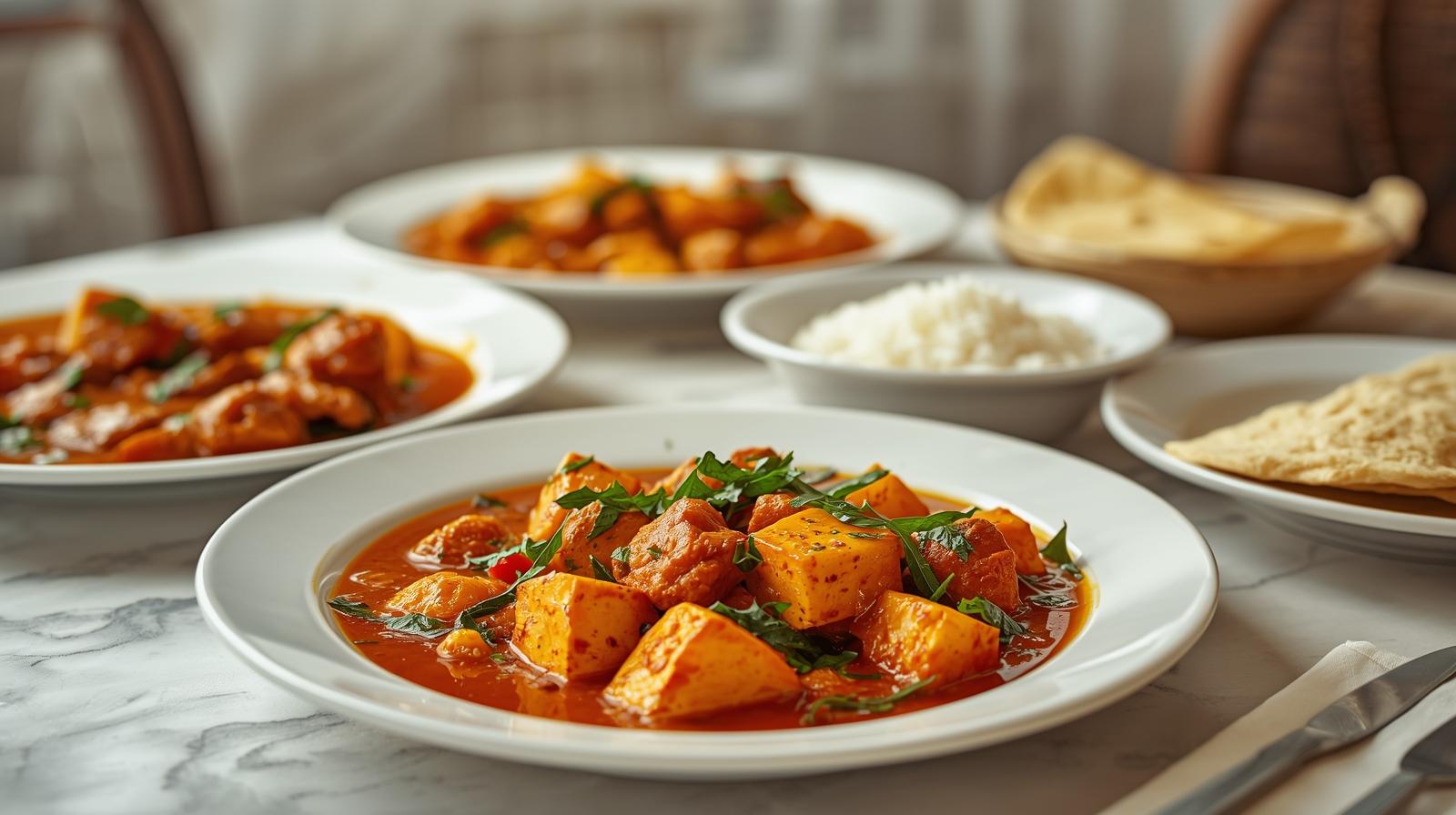
Paneer curries include paneer cubes cooked in a sauce. The sauce may be tomato-based, onion-based, or yogurt-based. Paneer is added at the final stage to maintain texture.
Examples include paneer butter masala, paneer tikka masala, and shahi paneer.
Dry Paneer Dishes
Dry paneer dishes use minimal liquid. Paneer is stir-cooked with spices and vegetables. These dishes pair with flatbread.
Examples include paneer bhurji and paneer stir fry.
Grilled and Roasted Paneer Dishes
Paneer is marinated with spices and cooked on heat. These dishes are often served as starters.
Examples include paneer tikka and paneer skewers.
Stuffed Paneer Dishes
Paneer is used as filling or stuffing. Crumbled paneer is mixed with spices and used in breads or rolls.
Examples include paneer paratha filling and paneer wraps.
Paneer Snack Dishes
Paneer is used in snacks due to its firm structure. It may be coated and fried or mixed with other ingredients.
Examples include paneer pakora and paneer cutlet.
Paneer Dishes by Regional Influence
North Region Paneer Dishes
Paneer dishes from northern regions often use tomato, butter, and cream-based sauces. These dishes are served with naan or roti.
Western Region Paneer Dishes
Western-style paneer dishes may use peanuts, sesame, or dry spice mixes. Paneer is often stir-cooked.
Eastern Region Paneer Dishes
Paneer is used in sweets and savory dishes. Cooking methods include simmering and light frying.
Urban Restaurant Style Paneer Dishes
Restaurant paneer dishes focus on smooth sauces, uniform cuts, and controlled spice balance.
Paneer Dishes and Nutrition
Paneer provides protein and fat derived from milk. It also contains calcium and phosphorus. Paneer dishes can be balanced by adding vegetables and controlling oil use.
The nutrition profile depends on cooking method, portion size, and added ingredients. Grilled and simmered dishes use less oil than fried dishes.
Paneer dishes suit vegetarian meal plans that require protein sources.
Paneer Dishes in Daily Meals
Paneer dishes can be included in lunch or dinner. They pair with rice, flatbread, or grains. Paneer bhurji is also used as a breakfast dish.
Paneer dishes can be prepared in advance. Many sauces improve after resting, allowing meal planning.
Paneer Dishes for Special Occasions
Paneer dishes often appear during celebrations and gatherings. They serve as main items for vegetarian menus. Paneer dishes are selected due to ease of preparation in large quantities.
Common Mistakes in Paneer Cooking
- Overcooking paneer in sauce
- Adding paneer too early
- Using high heat during simmering
- Skipping soaking step for store-bought paneer
- Excess oil use
Soaking paneer in warm water before cooking helps soften texture.
Tips for Better Paneer Dishes
- Use fresh paneer when possible
- Cut paneer evenly
- Add paneer at final cooking stage
- Taste sauce before adding paneer
- Balance salt and spice
These steps support consistency.
Storage of Paneer Dishes
Paneer dishes should be cooled before storage.
- Refrigerator storage: up to two days
- Freezer storage: up to one month for sauce-based dishes
Paneer texture may change after freezing. Reheat slowly to maintain structure.
Paneer Dishes in Home Cooking
Home cooks value paneer dishes for flexibility. Paneer pairs with many sauces and vegetables. It allows recipe adjustment based on available ingredients.
Paneer dishes support quick cooking since paneer is already cooked during production.
Paneer Dishes in Restaurants
Restaurants prepare paneer dishes in batches. Sauces are cooked in advance. Paneer is added per order. This method ensures speed and portion control.
Menu listings often separate paneer dishes by gravy type or cooking style.
Paneer Dishes and Meal Planning
Paneer dishes support weekly meal planning. One base sauce can be used with different vegetables and paneer cuts. This approach reduces preparation time.
Paneer can also be used in wraps, sandwiches, and rice bowls.
Paneer Dishes and Food Pairings
Paneer dishes pair well with:
- Rice
- Flatbread
- Millet
- Quinoa
- Vegetable sides
Simple accompaniments support balance.
Paneer Dishes and Seasonal Cooking
Paneer dishes can be adjusted based on season. Vegetables change while paneer remains constant. Sauce thickness and spice level may vary.
Paneer Dishes for Different Diet Plans
Paneer dishes fit vegetarian diets. Oil quantity and sauce type can be adjusted for calorie control. Paneer can be combined with legumes for protein variety.
Conclusion
Paneer dishes rely on a fresh cheese base, controlled cooking methods, and flexible ingredients. They appear in daily meals, special occasions, and restaurant menus. Understanding paneer preparation, cooking methods, and pairing options allows consistent results at home. Paneer dishes continue to remain a core part of vegetarian cooking due to ease of use, nutrition value, and adaptability.