Festival Foods
Festival foods hold a place in daily life, family gatherings, and public events. These foods appear during religious events, cultural days, seasonal gatherings, and social celebrations. People prepare them at home, order them from food vendors, or share them with guests. Festival foods connect people with traditions, memories, and shared meals.
Meaning of Festival Foods
Festival foods are dishes linked with events and dates. Each culture follows a calendar that includes festivals, harvest days, and community events. Food plays a role in marking these moments. Some dishes appear once a year. Others return across multiple events. These foods often follow customs passed through families and regions.
Role of Food in Festivals
Food brings people together during festivals. Families gather to cook and eat. Neighbors exchange dishes. Community meals take place in open spaces or homes. Food becomes a way to show care, respect, and connection. The act of cooking itself becomes part of the event.
Types of Festival Foods
Festival foods include sweets, snacks, main meals, and drinks. Some foods focus on grains, rice, or bread. Others use lentils, vegetables, meat, or dairy. Cooking methods vary based on region and event. Many foods involve long preparation and shared effort.
Sweets in Festivals
Sweets appear in many festivals. Sugar, jaggery, honey, or fruit often form the base. People prepare sweets to share with guests and neighbors. Giving sweets marks joy, thanks, and goodwill. In many homes, sweets are the first item served during a festival visit.
Savory Dishes in Festivals
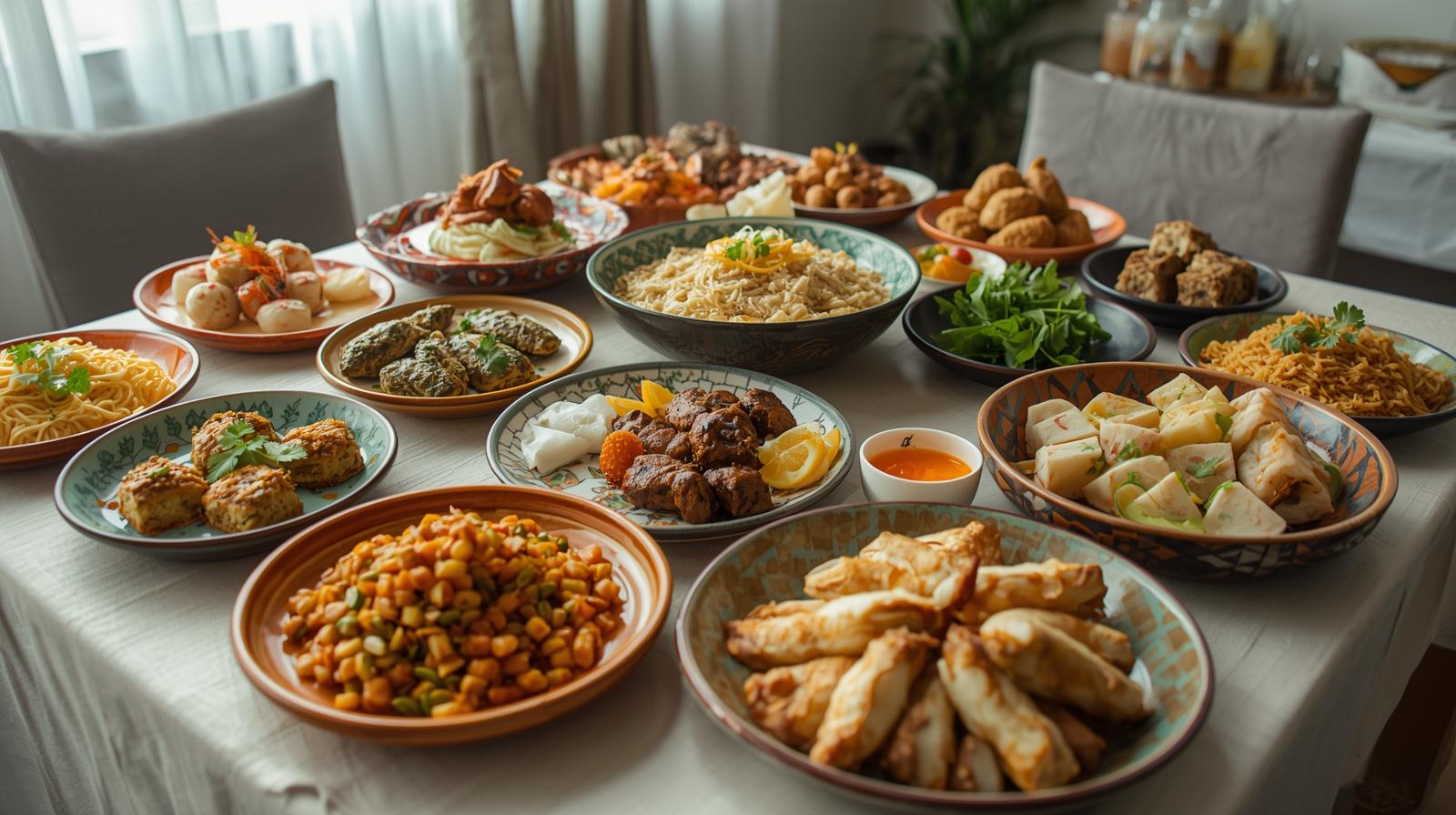
Savory foods play a central role in festival meals. Rice dishes, curries, flatbreads, and cooked vegetables appear on shared plates. These meals often feed large groups. People cook in larger quantities and plan meals ahead of time.
Home Cooking During Festivals
Festival meals often begin in home kitchens. Family members divide tasks. Some handle cutting and cleaning. Others cook or prepare serving areas. Recipes follow steps learned through practice. Measuring often happens by memory rather than tools.
Community Cooking
Some festivals include community cooking. Large pots are used to prepare meals for many people. Volunteers help with preparation and serving. These meals support a sense of unity. People eat together without focus on status or background.
Street Food and Festivals
Street food becomes common during festivals. Vendors set up stalls near event areas. People buy snacks while walking or meeting others. These foods are easy to hold and share. Street food adds variety to festival eating.
Regional Influence on Festival Foods
Each region has its own festival foods. Climate, crops, and history shape these dishes. Coastal areas may focus on seafood. Inland areas may rely on grains or lentils. Local spices and cooking tools influence taste and preparation.
Seasonal Foods in Festivals
Many festivals follow seasons. Harvest festivals use fresh grains or vegetables. Winter festivals may include foods cooked for longer storage. Seasonal ingredients affect menu choices and cooking methods.
Religious Influence on Festival Foods
Religious practices shape festival foods. Some festivals follow fasting rules before meals. Others avoid certain ingredients. Some foods are prepared as offerings before being shared. These practices guide how food is cooked and served.
Festival Foods for Guests
Guests expect special meals during festivals. Hosts plan menus that suit all age groups. Food is served in courses or shared plates. Offering food shows hospitality and respect.
Preparation Time and Planning
Festival foods require planning. Ingredients are purchased ahead of time. Some foods are prepared a day earlier. Others are cooked fresh on the festival day. Planning helps manage time and effort.
Tools Used in Festival Cooking
Festival cooking may use large pans, grinding tools, or traditional cookware. Some tools are used only during festivals. These tools carry memories and stories linked with past events.
Sharing and Gifting Food
Sharing food is common during festivals. People send dishes to relatives, neighbors, and friends. Food gifts strengthen bonds and maintain connections. The act of giving matters as much as the food itself.
Modern Changes in Festival Foods
Modern life affects festival food preparation. Some people buy ready-made items. Others adjust recipes to fit schedules. Despite changes, the idea of sharing food remains.
Festival Foods and Children
Children take part in festival meals by helping in simple tasks. They learn recipes by watching elders. Festival foods become part of childhood memories and learning.
Health Awareness and Festival Foods
Some people adjust festival foods based on health needs. Portion control and ingredient choices change. These adjustments allow participation without avoiding tradition.
Serving Styles During Festivals
Festival meals may be served on plates, trays, or shared surfaces. Seating may be on the floor or at tables. Serving style depends on tradition and space.
Food and Storytelling
Festival meals often include storytelling. Elders share stories about past festivals and meals. These stories keep traditions alive through food.
Importance of Festival Foods in Culture
Festival foods hold cultural value. They represent history, belief, and social ties. Through food, traditions continue across generations.
Festival Foods in Restaurants
Many restaurants offer festival menus during special times. These menus attract people seeking traditional dishes without home cooking. Restaurants adapt recipes while keeping core methods.
Preservation of Festival Recipes
Some families document festival recipes. Others pass them through practice. Preserving these recipes helps maintain cultural identity.
Festival Foods and Travel
Travelers seek festival foods when visiting new places. Food becomes a way to understand local culture. Festivals offer a chance to experience these dishes.
Conclusion
Festival foods reflect shared time, effort, and connection. They bring people together through cooking and eating. These foods remain part of cultural life, linking past practices with present gatherings.