Home Style Meals
Introduction
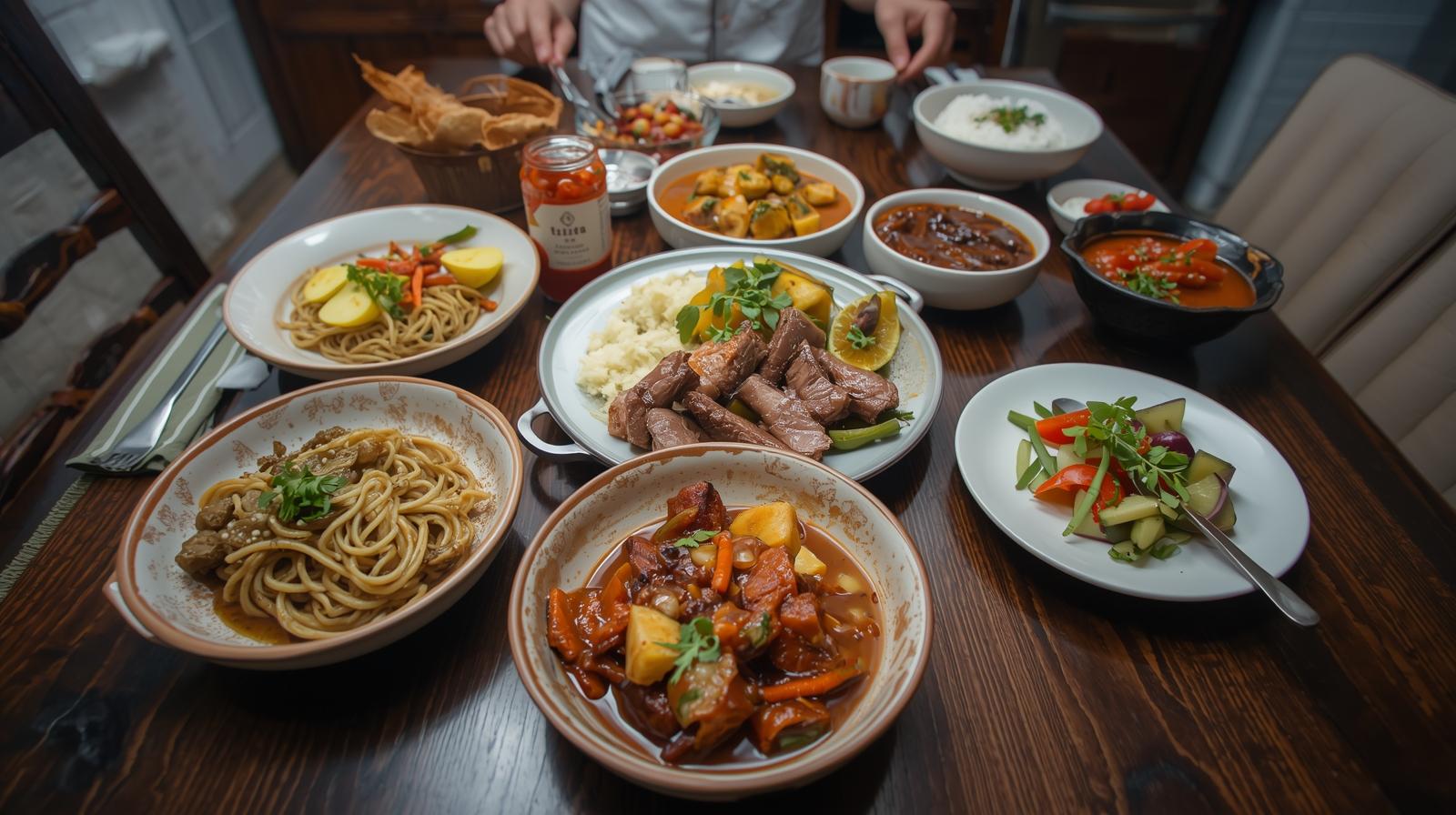
Home style meals refer to food prepared using familiar methods commonly practiced in households. These meals are based on routine cooking habits and shared family practices. Home style meals are prepared using accessible ingredients and simple steps. They are eaten daily and reflect household preferences and cultural routines. This article explains home style meals in detail, focusing on preparation patterns, ingredient use, cooking methods, meal planning, and their role in daily eating. The content is written for food websites, menu pages, and readers seeking clear and practical information.
Meaning of Home Style Meals
Home style meals are dishes prepared in a way similar to home cooking. These meals focus on regular eating rather than special occasions. Recipes are often passed through family practice rather than written instructions.
Role of Home Style Meals in Daily Life
Home style meals support daily eating routines. They are cooked for breakfast, lunch, and dinner. These meals help maintain regular schedules and shared dining habits.
Ingredients Used in Home Style Meals
Ingredients used in home style meals are commonly available. These include grains, vegetables, legumes, meat, and basic seasonings. Ingredient selection depends on access and household preference.
Cooking Methods Used at Home
Home kitchens use methods such as boiling, simmering, pan cooking, steaming, and baking. These methods are chosen for ease and consistency.
Planning Home Style Meals
Meal planning helps manage time and resources. Families plan meals based on weekly routines, ingredient availability, and portion needs.
Breakfast Home Style Meals
Breakfast meals prepared at home include simple dishes cooked quickly. These meals provide structure to the day.
Lunch Home Style Meals
Lunch meals are often prepared in advance or reheated. Portions are adjusted based on activity level and schedule.
Dinner Home Style Meals
Dinner meals are usually shared among family members. Cooking may involve longer preparation time compared to other meals.
One Pot Home Style Meals
One pot meals are common in home cooking. All ingredients are cooked together, reducing cleanup and preparation steps.
Home Style Vegetable Dishes
Vegetables are cooked using basic methods. Cutting and cooking are done evenly to support consistent results.
Home Style Grain Dishes
Grain based meals such as rice or bread based dishes are common. These dishes form the base of many meals.
Home Style Legume Dishes
Legumes are used as main components or side dishes. Cooking time is planned in advance.
Home Style Meat Dishes
Meat dishes are prepared using familiar techniques. Cooking focuses on even heat and proper timing.
Use of Leftovers
Leftovers are reused in home style meals. Stored food is reheated or repurposed to reduce waste.
Portion Control
Portion size is adjusted based on household size. Measuring is often done by experience rather than tools.
Home Style Meals for Families
Families rely on home style meals for shared eating. Meals are scaled easily for more people.
Home Style Meals for Individuals
Individuals prepare smaller portions. Simple recipes support daily cooking.
Home Style Meals and Cultural Practices
Home cooking reflects cultural habits. Preparation methods and ingredients vary across regions.
Home Style Meals and Seasonal Eating
Seasonal ingredients influence meal choices. Cooking adapts to availability throughout the year.
Storage of Home Style Meals
Cooked meals are stored using containers and refrigeration. Proper cooling supports safety.
Reheating Home Cooked Food
Reheating is done evenly to maintain structure. Proper timing prevents overcooking.
Home Style Meals in Busy Schedules
Busy households plan meals ahead. Batch cooking helps manage time.
Home Style Meals for Events
Home cooked food is prepared for gatherings. Planning includes quantity and timing.
Teaching Cooking Skills at Home
Cooking skills are passed through observation and practice. Family members learn by assisting.
Home Style Meals in Modern Kitchens
Modern tools support home cooking while methods remain similar. Tools improve efficiency.
Cost Management
Home cooking helps manage food costs. Ingredient planning reduces waste.
Home Style Meals and Nutrition Planning
Meals combine grains, vegetables, and proteins. Balance supports routine eating.
Common Challenges in Home Cooking
Challenges include time management and ingredient access. Planning helps reduce issues.
Home Style Meals in Digital Content
Food websites and blogs share home style meal ideas. Clear instructions support learning.
Menu Use of Home Style Meals
Some restaurants offer home style meals to reflect household cooking. Menu descriptions focus on familiarity.
Presentation of Home Style Meals
Presentation focuses on serving rather than display. Meals are plated for ease.
Food Safety Practices
Food safety includes proper cooking, storage, and handling. Clean practices are followed.
Reducing Waste in Home Cooking
Waste is reduced through portion planning and reuse of ingredients.
Home Style Meals and Changing Habits
Eating habits change over time, but home cooking remains present. Recipes adapt gradually.
Home Style Meals and Community Sharing
Home cooked food is often shared with neighbors or relatives. This supports social connection.
Customer Interest in Home Style Meals
Many people seek food that reflects home cooking. This influences menu trends.
Home Style Meals in Food Businesses
Food businesses use home style meals to connect with customers. Clear preparation methods support trust.
Conclusion
Home style meals form the foundation of daily eating habits. Through simple ingredients, familiar methods, and shared practices, these meals support routine life and family connection. Understanding planning, preparation, storage, and serving of home style meals helps individuals and food businesses maintain consistency and reliabili