
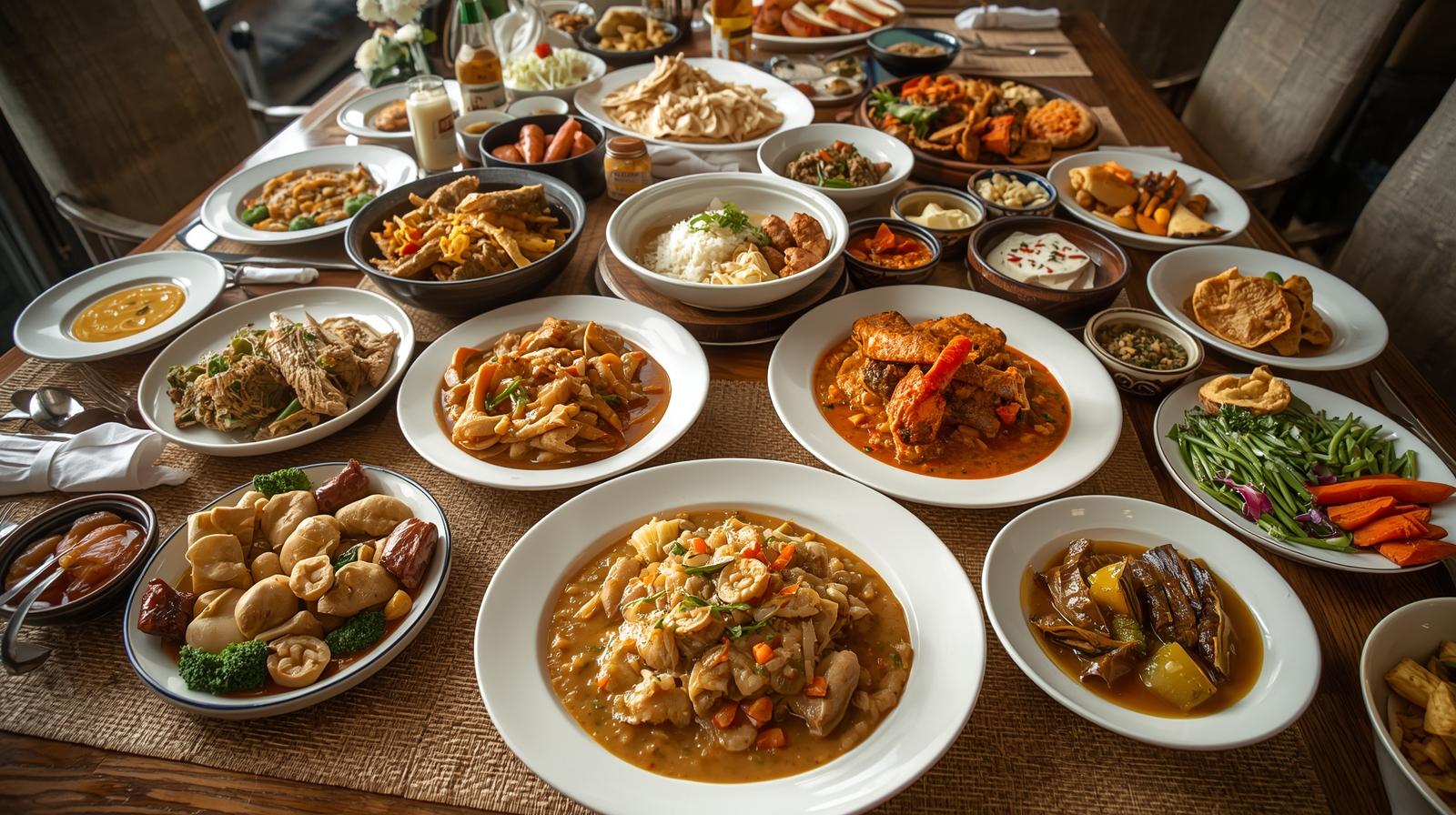
Regional Specialties
Introduction
Regional specialties are food items linked to specific locations, traditions, and daily eating habits. These dishes reflect local ingredients, preparation methods, and shared practices passed through families and communities. Regional specialties appear in home kitchens, local eateries, and food menus designed to represent cultural identity. This article explains regional specialties in detail with focus on meaning, preparation patterns, cultural role, menu use, and relevance in daily meals. The content is written to support food websites, menu pages, and readers seeking clear and useful information.
Meaning of Regional Specialties
Regional specialties are dishes prepared using methods and ingredients common to a particular area. These foods are recognized by people from that region and are often linked to history and routine meals.
Role of Location in Food Identity
Location plays a key role in shaping food habits. Climate, crops, water access, and trade routes influence what people eat. Over time, these factors form dishes that become part of regional identity.
Ingredients Used in Regional Specialties
Ingredients used in regional specialties are often sourced locally. Grains, vegetables, legumes, meat, and spices reflect what is grown or available nearby. Ingredient choice supports consistency in preparation.
Cooking Methods Passed Through Generations
Cooking methods for regional specialties are passed through practice. These methods include boiling, steaming, roasting, simmering, and pan cooking. Repetition ensures continuity of taste and structure.
Regional Specialties in Daily Meals
Many regional dishes are part of daily meals rather than special events. Families prepare these dishes based on routine schedules and ingredient access.
Regional Specialties and Seasonal Eating
Seasonal changes affect regional food patterns. Certain dishes are prepared more often during specific times of the year due to ingredient availability.
Home Preparation of Regional Specialties
Home kitchens are central to preserving regional food practices. Recipes are shared within families and adjusted slightly based on preference and access.
Regional Specialties in Local Eateries
Local eateries often focus on regional dishes. These places serve familiar food to local residents and visitors seeking regional meals.
Street Food and Regional Dishes
Many regional specialties are sold as street food. These dishes are prepared using compact setups and served quickly.
Regional Specialties on Restaurant Menus
Restaurants include regional specialties to reflect cultural roots. Menu descriptions often highlight origin and main ingredients.
Portion Planning in Regional Dishes
Portion size in regional specialties is based on local eating habits. Portions support sharing or individual meals.
Preparation Time and Planning
Some regional dishes require advance preparation. Others are prepared quickly. Planning depends on cooking method and ingredient type.
Storage Practices
Regional dishes follow traditional storage practices. Some are cooked fresh, while others are stored for short periods.
Reheating and Serving
Reheating methods aim to maintain structure. Serving style reflects tradition and practicality.
Regional Specialties for Events
Regional dishes are often prepared for gatherings and celebrations. Quantity planning and timing are important.
Cultural Significance
Regional specialties represent shared history and routine life. They are linked to identity and belonging.
Adaptation Over Time
While core methods remain, regional dishes adapt to changes in ingredient access and tools.
Regional Specialties and Migration
Migration spreads regional food beyond its place of origin. Recipes are adapted to new locations while keeping core elements.
Teaching Regional Cooking Skills
Skills are taught through observation and practice. Written recipes may support learning.
Regional Specialties and Tourism
Visitors often seek regional dishes to understand local food culture. Menus highlight these dishes for that purpose.
Ingredient Substitution
When original ingredients are unavailable, substitutions are used. Care is taken to maintain structure.
Regional Specialties in Modern Kitchens
Modern kitchens use updated tools while following traditional steps. This supports efficiency.
Regional Specialties and Nutrition Planning
Regional dishes often combine grains, vegetables, and legumes. Balance supports routine eating.
Menu Organization
Menus group regional specialties in dedicated sections. Clear labeling supports selection.
Pricing Considerations
Pricing reflects ingredient cost and preparation time. Fair pricing supports sustainability.
Food Safety Practices
Food safety includes proper handling, cooking, and storage. Traditional practices align with safety needs.
Common Preparation Challenges
Challenges include sourcing ingredients and maintaining consistency. Training helps reduce variation.
Documentation of Recipes
Some regional recipes are documented to preserve knowledge. Documentation supports continuity.
Regional Specialties in Digital Media
Food websites and digital menus present regional dishes to wider audiences. Clear descriptions support understanding.
Photography and Visual Presentation
Images focus on the dish and serving method. Visuals support menu engagement.
Regional Specialties for Home Learners
Home learners explore regional dishes to expand cooking skills. Simple versions are often used.
Role in Community Life
Regional food is shared during daily meals and group gatherings. It supports social connection.
Sustainability and Local Sourcing
Using local ingredients supports supply chains. This practice continues in many regions.
Regional Specialties in Changing Food Habits
Food habits change with time, but regional dishes remain present due to cultural value.
Menu Updates and Preservation
Menus may rotate regional dishes while keeping core offerings. This balances tradition and demand.
Customer Expectations
Customers expect regional dishes to reflect known preparation styles. Consistency supports trust.
Regional Specialties in Food Businesses
Food businesses use regional dishes to create identity. Clear messaging supports positioning.
Conclusion
Regional specialties play an important role in daily meals, food culture, and menu identity. Through local ingredients, established cooking methods, and shared practices, these dishes connect people to place and tradition. Understanding preparation, portion planning, storage, and menu presentation helps individuals and food businesses prese