Burgers
Introduction
Burgers are a food item served across many regions and eating places. A burger is built by placing a cooked filling between bread layers. Over time, burgers have become part of daily meals, street food offerings, home cooking, and restaurant menus. This article explains burgers in detail, focusing on structure, preparation, menu use, portion planning, storage, and serving practices. The goal is to provide clear information for readers interested in food menus, home kitchens, and general food knowledge.
Meaning of Burgers
A burger is a prepared food item that includes bread and a filling assembled together. The filling is usually cooked before assembly. Burgers are eaten by hand or served on a plate.
History of Burgers in Food Culture
Burgers became common as meals that could be prepared and served within short time periods. Over time, different regions adapted burgers to local eating habits. Today, burgers are found in many menu formats.
Basic Structure of a Burger
A burger includes three main parts:
- Bottom bread layer
- Filling
- Top bread layer
Additional items may be placed between these parts to support taste and balance.
Bread Used for Burgers
Bread used for burgers is shaped to hold fillings. Bread may be sliced horizontally before use. Bread choice affects handling during eating.
Burger Fillings
Burger fillings form the center of the meal. Fillings may include meat based options or plant based options. Each filling type requires a specific cooking approach.
Meat Based Burger Fillings
Meat fillings are prepared by shaping ground meat into portions. These portions are cooked using heat until done. Cooking time depends on thickness.
Plant Based Burger Fillings
Plant based fillings are made using vegetables, grains, or legumes. These fillings are shaped and cooked before assembly. They support menu variety.
Mixed Ingredient Fillings
Some burgers use fillings made from combined ingredients. These mixtures are formed and cooked evenly. Balance during mixing supports structure.
Cooking Methods for Burger Fillings
Burger fillings are cooked using grilling, flat surface cooking, or oven methods. Heat control is important to ensure proper cooking.
Grilling Method
Grilling cooks fillings using direct heat. This method requires turning the filling to support even cooking.
Flat Surface Cooking
Flat surface cooking uses a heated surface. Fillings are cooked on both sides until ready.
Oven Cooking
Oven cooking is used in some kitchens. Fillings are placed on trays and cooked using controlled heat.
Preparing Vegetables for Burgers
Vegetables are washed and sliced before use. Common items include leaves, sliced vegetables, or cooked vegetables.
Sauce Use in Burgers
Sauces are added to burgers to support moisture and taste. Sauces are spread on bread layers or added near the filling.
Assembly Process
Burger assembly follows a sequence. The bottom bread layer is placed first. The filling is added next. Vegetables and sauces are layered before placing the top bread layer.
Handling During Assembly
Clean handling supports food safety. Ingredients are kept separate until assembly.
Serving Burgers
Burgers are served immediately after assembly. They may be wrapped or plated. Serving method depends on location.
Burgers as Menu Items
Burgers are listed as main menu items. Variations are grouped based on filling type.
Burger Variations
Menus may include different burger formats. Variations may involve filling size, bread type, or added items.
Portion Planning
Portion size affects serving and pricing. Standard portions support consistency.
Burgers in Home Cooking
Home kitchens prepare burgers using available tools. Home cooks adjust portion size based on need.
Burgers in Restaurants
Restaurants prepare burgers in batches or per order. Preparation steps are standardized to support service flow.
Street Food Burgers
Street food vendors prepare burgers using compact setups. Speed and handling are key factors.
Storage of Ingredients
Burger ingredients are stored separately. Bread, fillings, and vegetables are kept in appropriate conditions.
Storage of Cooked Fillings
Cooked fillings may be held for short periods. Holding time affects serving quality.
Reheating Burger Fillings
Reheating should be done evenly. Fillings should reach safe serving temperature.
Burgers and Meal Pairing
Burgers are often paired with side items. Pairing completes the meal.
Burgers for Events
Burgers are prepared in large quantities for gatherings. Planning includes quantity estimation and timing.
Burgers for Takeaway Orders
Takeaway burgers are wrapped for transport. Packaging supports handling and heat retention.
Burgers and Custom Orders
Customers may request changes to fillings or assembly. Flexible preparation supports custom orders.
Menu Descriptions for Burgers
Menu descriptions list main components. Clear descriptions support ordering decisions.
Pricing Strategy
Burger pricing considers ingredient cost and portion size. Consistent pricing supports menu planning.
Food Safety Practices
Food safety includes proper cooking and clean handling. Temperature control is important.
Common Preparation Errors
Errors may include uneven cooking or incorrect assembly. Training reduces errors.
Burgers in Daily Eating Patterns
Burgers are eaten during meals or as quick food options. Frequency varies by routine.
Burgers and Changing Food Habits
Food habits influence burger formats. Menus adapt to changes in demand.
Burger Presentation
Presentation includes placement on plates or wraps. Clean presentation supports service.
Equipment Used for Burger Preparation
Equipment includes grills, flat surfaces, and storage units. Equipment choice affects workflow.
Workflow in Burger Kitchens
Workflow includes preparation, cooking, assembly, and serving. Clear steps support efficiency.
Burgers for Beginners
Beginners start with simple burger formats. Practice improves handling and cooking skills.
Training for Burger Preparation
Training covers cooking time, assembly order, and safety practices.
Burger Menu Updates
Menus are updated to include new formats. Core structure remains unchanged.
Cultural Presence of Burgers
Burgers are adapted across regions. Local ingredients influence preparation.
Burgers and Portion Control
Portion control supports cost management and consistency.
Waste Reduction
Proper planning reduces waste. Accurate portioning supports efficiency.
Burgers in Digital Menus
Digital menus list burger options with details. Clear layout supports selection.
Photography and Visual Display
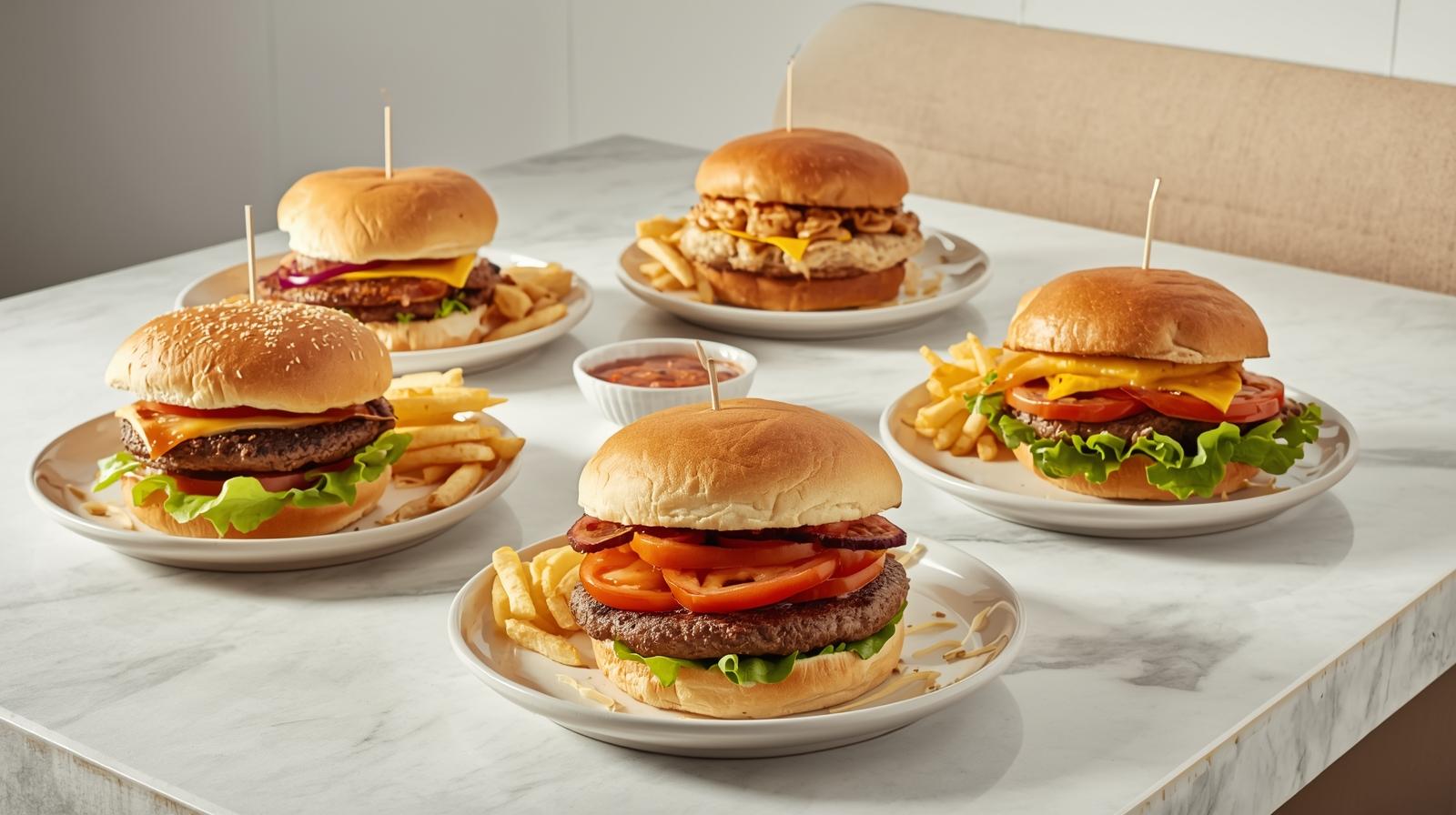
Images show assembled burgers. Visual display supports menu appeal.
Customer Expectations
Customers expect consistent preparation. Meeting expectations supports repeat orders.
Conclusion
Burgers remain an important part of modern food menus and daily eating habits. Through structured preparation, careful assembly, portion planning, and proper handling, burgers can be served efficiently in home kitchens, restaurants, and food outlets. Understanding each step of burger preparation helps ensure consistency, safety, and clear menu presentat