Pasta & Noodles
Introduction
Pasta and noodles are common foods used in daily meals across many regions. They are prepared using grain based dough shaped into strands, sheets, or forms. Pasta and noodles are cooked in water and combined with sauces, vegetables, meat, or legumes. This article explains pasta and noodles in detail, including types, preparation methods, cultural use, menu planning, and daily consumption. The content is written for readers seeking clear and practical information for food menus, home cooking, and general knowledge.
Meaning of Pasta and Noodles
Pasta and noodles are foods made from flour and water. Some types include eggs as part of the dough. After shaping, they are dried or cooked fresh.
They serve as a base food and pair with many ingredients.
Role in Daily Meals
Pasta and noodles are eaten during lunch or dinner. They may be served as a main meal or as part of a shared table.
They support meal planning due to simple preparation steps.
Types of Pasta
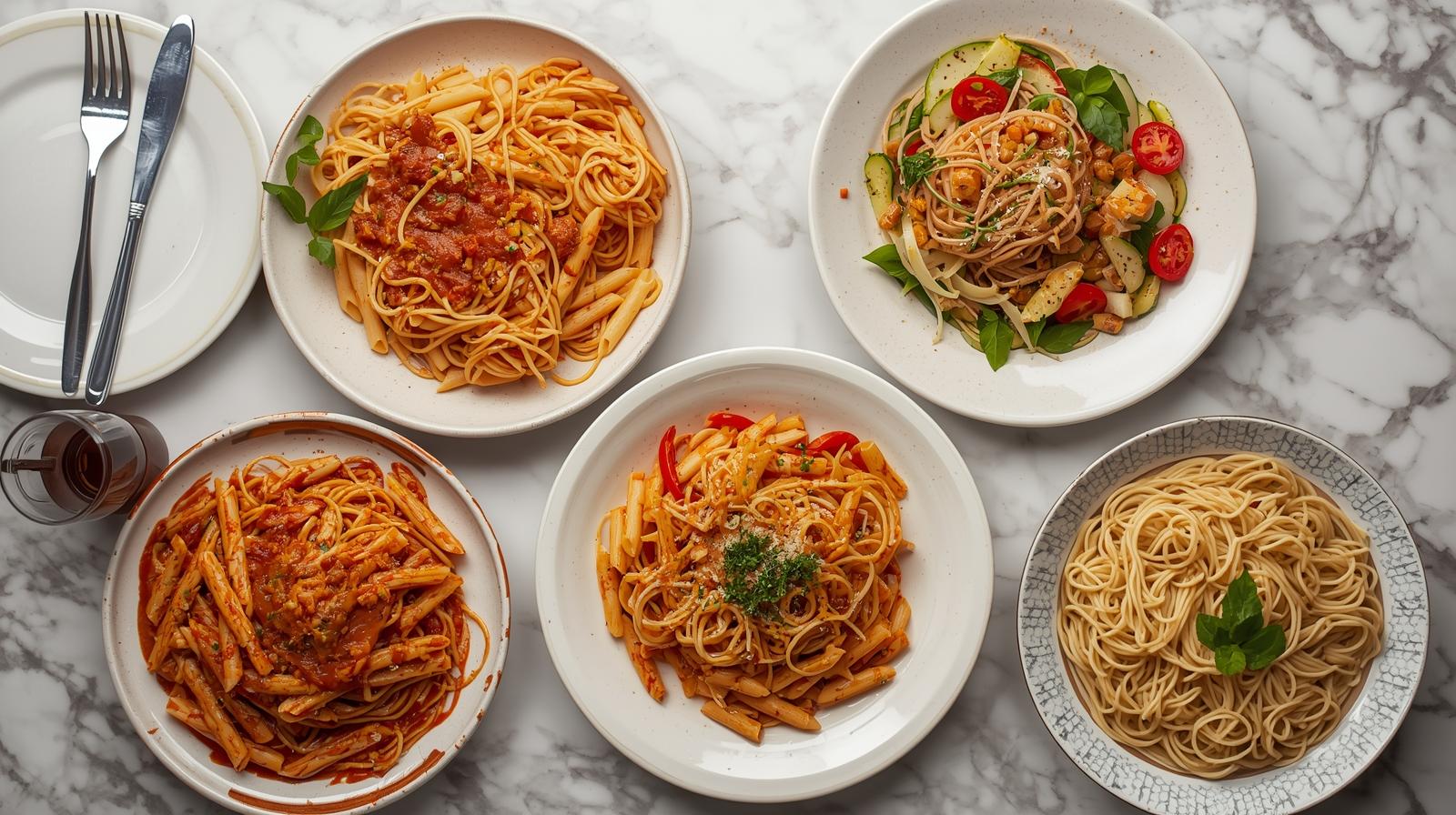
Pasta comes in many shapes designed to hold sauce or support portion control. Common types include:
- Spaghetti
- Penne
- Fusilli
- Macaroni
- Lasagna sheets
Each shape serves a specific cooking and serving purpose.
Types of Noodles
Noodles vary by region and grain source. Common noodle types include:
- Wheat noodles
- Rice noodles
- Egg noodles
- Flat noodles
- Thin noodles
Cooking time depends on thickness and ingredients.
Fresh and Dried Forms
Pasta and noodles are available in fresh and dried forms. Fresh forms cook faster.
Dried forms support storage and long term use.
Cooking Methods
Pasta and noodles are cooked by boiling in water. Salt may be added to water before cooking.
Cooking time affects texture and portion control.
Draining and Rinsing
After boiling, pasta and noodles may be drained. Some noodle types are rinsed to stop cooking.
Method choice depends on dish style.
Sauce Based Pasta Dishes
Pasta is often served with sauce. Sauce may be tomato based, milk based, or oil based.
Sauce coats the pasta and supports flavor distribution.
Stir Cooked Noodle Dishes
Noodles are often stir cooked with vegetables or protein sources. This method uses brief heat exposure.
Stir cooking supports quick meal preparation.
Pasta and Vegetable Dishes
Vegetables are added to pasta to create complete meals. Vegetables may be cooked separately or together.
This combination supports balanced meals.
Pasta and Meat Dishes
Meat is added to pasta in many dishes. Meat may be minced or sliced.
Cooking order ensures even heat.
Noodles and Seafood
Seafood is combined with noodles in some dishes. Cooking time is controlled to prevent overcooking.
These dishes are common in coastal regions.
One Pan Pasta Meals
One pan pasta meals cook pasta and sauce together. This reduces cleanup time.
This method supports portion planning.
Pasta and Noodles in Home Cooking
Home kitchens use pasta and noodles for regular meals. Ingredients are adjusted based on availability.
Home cooking focuses on routine and ease.
Pasta and Noodles in Restaurant Menus
Restaurants use pasta and noodles as main menu items. Menu descriptions list sauce and ingredient type.
This supports customer selection.
Portion Control
Portion size matters in pasta and noodle dishes. Measuring dry portions supports meal balance.
Portion control reduces waste.
Storage of Cooked Pasta and Noodles
Cooked pasta and noodles can be stored in refrigeration. Proper cooling supports safety.
Reheating should be done evenly.
Pasta and Noodles for Events
Pasta and noodles are prepared in large quantities for events. Planning includes portion count.
Event meals require timing coordination.
Cultural Variations
Pasta and noodles are prepared differently across regions. Shape, sauce, and pairing vary.
These variations reflect food culture.
Pasta and Noodles for Beginners
Beginners may start with basic boiling and simple sauces. Practice improves consistency.
Simple dishes support skill development.
Pasta and Noodles for Families
These foods support family meals due to easy scaling. Quantity can be adjusted easily.
They fit shared dining.
Cost and Accessibility
Pasta and noodles are widely available. Cost varies by type and brand.
Accessibility supports regular use.
Pasta and Meal Planning
Pasta and noodles fit into weekly meal plans. Different sauces reduce repetition.
Planning supports variety.
Common Cooking Mistakes
Common mistakes include overcooking and under seasoning water. These affect texture.
Awareness improves results.
Modern Pasta and Noodle Dishes
Modern dishes include mixed ingredients and new serving styles. Base preparation remains the same.
Trends continue to evolve.
Health Considerations
Pasta and noodle intake should align with activity level and meal balance. Pairing with vegetables supports planning.
Awareness supports routine eating.
Menu Presentation
Menu placement of pasta and noodles affects ordering. Clear descriptions support choice.
Presentation matters in menus.
Conclusion
Pasta and noodles are core foods used in daily meals and food menus. Through varied shapes, cooking methods, and pairing options, they support meal structure and routine eating. Understanding types, preparation, portion control, and menu use helps individuals and food businesses use pasta and noodles effectively in daily l